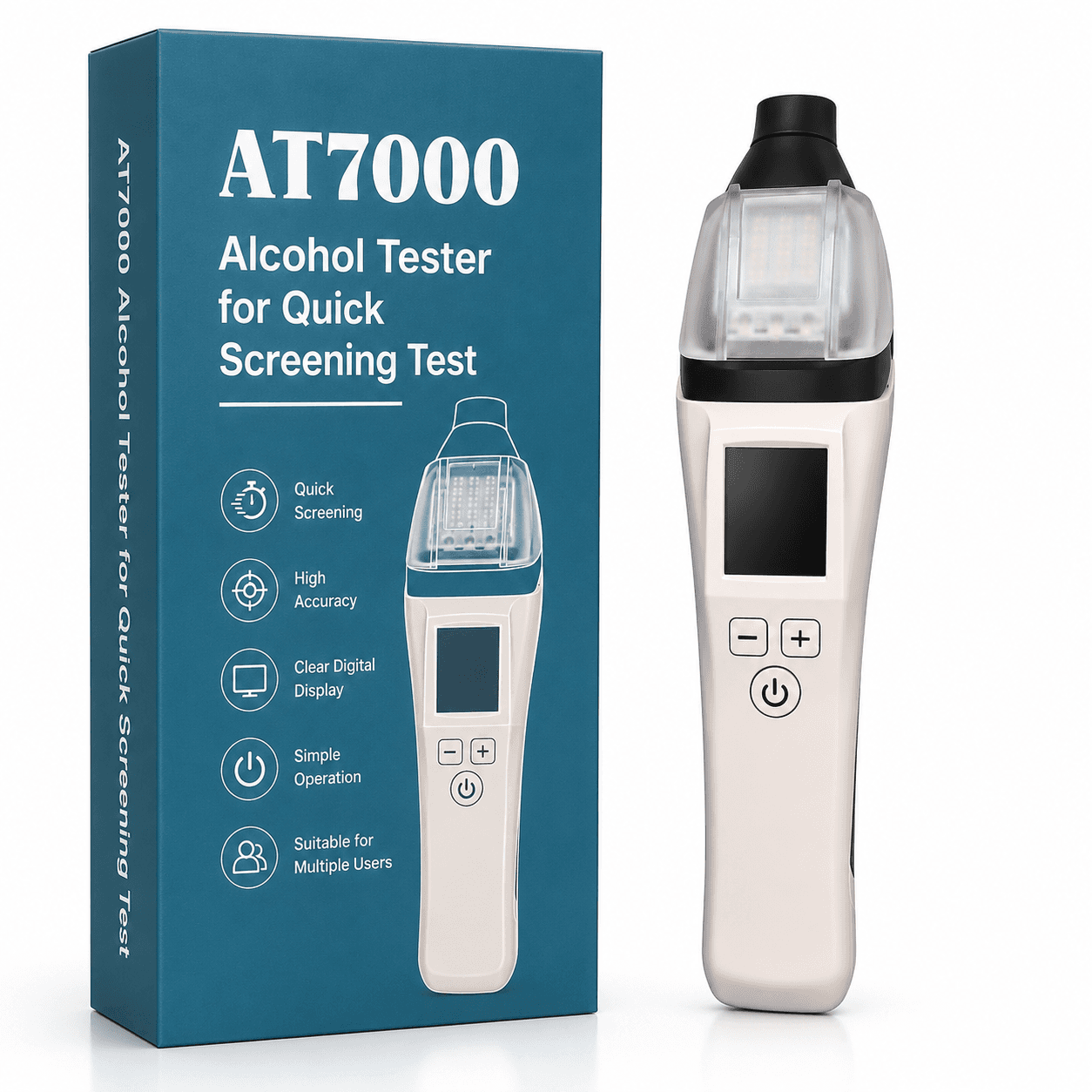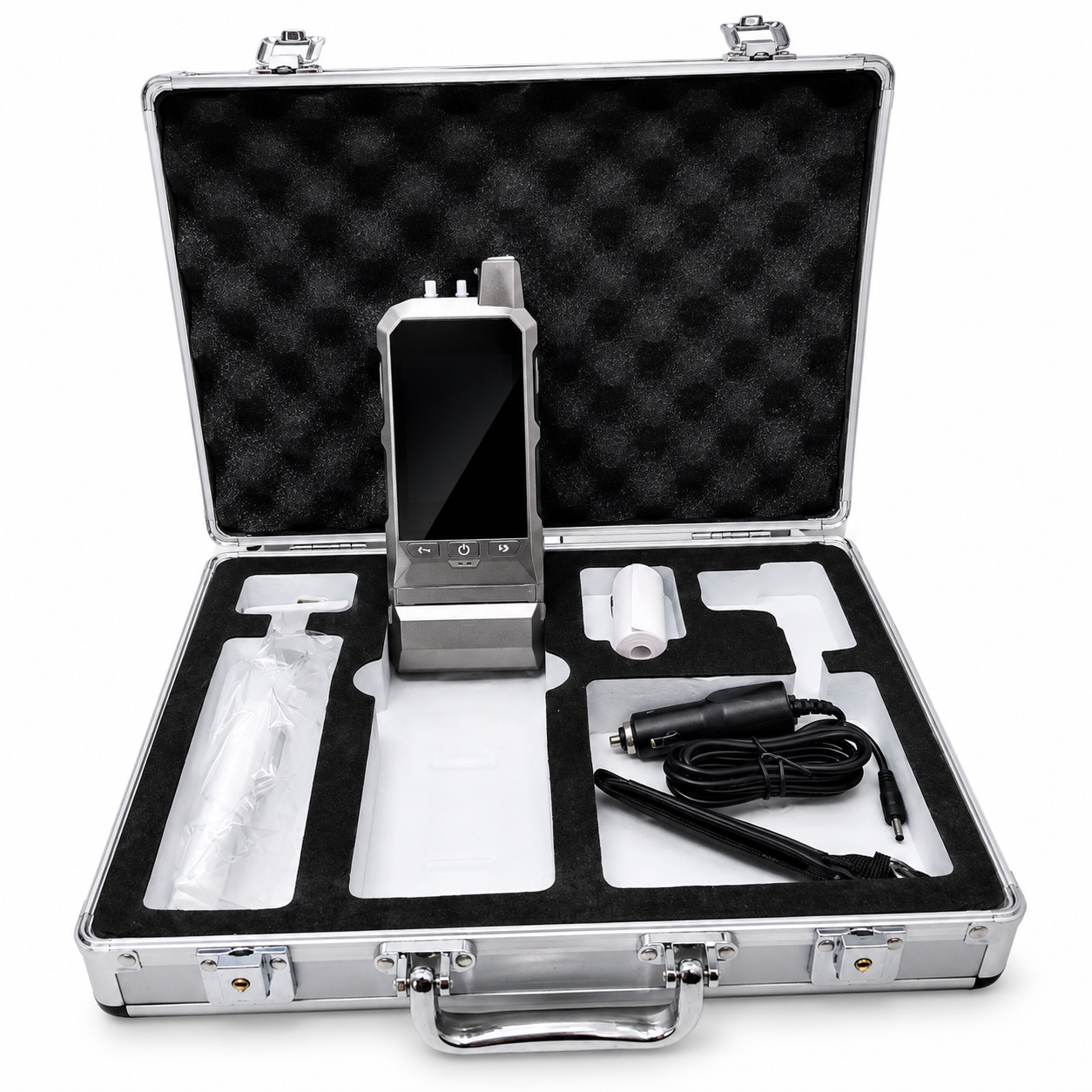

A transport supervisor at a Pune warehouse holds a vehicle at the loading bay. The driver has blown positive on the handheld unit, twice, five minutes apart. The driver says the machine is wrong and that he wants a blood test. It is 6:40 in the morning, the nearest collection centre opens at eight, and the consignment is due in Nashik by noon.
That moment is where most confusion about the alcohol and blood test lives. A blood test is treated as the final word, but nobody has thought through who orders it, who pays, how long the sample takes, and what the result will actually prove by the time it comes back. The honest answer is that a blood test and a breath test are not competing versions of the same measurement. They answer different questions, on different timelines, for different purposes.
The short answer
A blood alcohol test measures ethanol concentration in a blood sample and is the reference standard for how much alcohol is in a person's system right now. Breath screening estimates the same thing non-invasively and instantly. For deciding whether a person goes on shift in the next two minutes, breath screening is the practical tool. For medico-legal confirmation, or for looking back over days and weeks, the laboratory is the only option.
So the useful question for a safety or HR lead is not "which is more accurate". It is "what decision am I making, and how far back do I need to see".
What an alcohol and blood test actually measures
A venous blood sample sent for ethanol estimation gives blood alcohol concentration, usually reported in mg per 100 ml. Under Section 185 of the Motor Vehicles Act, 1988, the legal threshold in India is 30 mg of alcohol per 100 ml of blood, which is the figure your handheld screening device is calibrated against. The relationship between the two is discussed in more detail in our guide to drink and drive law in India.
The limitation is time. Alcohol leaves the bloodstream at a fairly steady pace, and for most adults the level falls hour by hour after drinking stops. A blood draw taken three hours after an incident does not describe the person's state at the time of the incident. In a workplace dispute, the delay between the breath reading and the venepuncture is often the single biggest weakness in the file.
Blood ethanol is also a poor tool for pattern detection. Someone who drinks heavily every night but stops by midnight can return a clean blood alcohol result at nine the next morning. That is precisely why other markers exist.
Markers that look further back
EtG test and EtG urine test
Ethyl glucuronide is a direct metabolite of alcohol. It appears after drinking and persists well after ethanol itself has cleared, which is why an EtG test is used where abstinence, rather than intoxication, is the thing being verified. The EtG urine test is the common format, and detection windows are generally described as stretching over a few days depending on cutoff level and how much was consumed.
EtG is sensitive. It can pick up incidental exposure from mouthwash, sanitiser or certain medications at low cutoffs, which is why a positive EtG should never be treated as proof of impairment on shift. It tells you someone drank recently. It does not tell you they were unfit at the gate.
PEth test
Phosphatidylethanol is formed in red blood cells only in the presence of alcohol and remains detectable for weeks. A PEth test is a blood-based marker used mainly in clinical review, treatment monitoring and return-to-duty assessments, where the question is whether someone has sustained abstinence over a longer period. It is not a shift-start tool and it is not something a site supervisor orders.
Liver and haematology markers
GGT, CDT and MCV are indirect markers. Raised values can point toward sustained heavy drinking, but they also move for reasons that have nothing to do with alcohol, including medication, liver disease and other conditions. They belong in a physician's assessment, not in a disciplinary file.
Alcohol urine test: useful, but not for the gate
Alcohol urine tests come in two forms. Basic ethanol detection in urine lags behind blood and reflects a period that has already passed. The metabolite version, EtG or EtS, is the more informative one. Where alcohol tests urine samples form part of a wider panel, they are usually being run alongside substances in a combined drug and alcohol test for pre-employment, post-incident or periodic review.
Collection logistics matter here. Urine collection requires a private, supervised, chain-of-custody arrangement that most plants and depots are not set up to run daily. That is a policy design point, not a technical one.
Screening questionnaires: CAGE and AUDIT
Not every question is answered by a sample. The CAGE assessment for alcohol is a four-question screen used by clinicians to flag possible problem drinking. The alcohol audit test, more properly the Alcohol Use Disorders Identification Test, is a longer questionnaire covering consumption, dependence and harm.
These are clinical screening instruments and belong with occupational health, employee assistance programmes or a medical officer. They are relevant to an employer only in the sense that a well-drafted policy should route repeat positives toward support rather than only toward discipline.
Comparing what each test proves
Test Sample What it establishes Practical use at work
Breath alcohol screening Breath Current BAC estimate Gate, shift start, post-incident, roadside
Blood alcohol test Blood Current BAC, reference grade Medico-legal confirmation, hospital settings
EtG / EtS urine Urine Recent drinking, several days Abstinence monitoring, return-to-duty
PEth Blood Sustained drinking over weeks Clinical and rehabilitation review
GGT, CDT, MCV Blood Possible chronic heavy use Physician assessment only
CAGE / AUDIT Questionnaire Risk of alcohol use disorder Occupational health referral
Where breath screening actually fits
Every item in that table except the first requires a collection centre, a courier, a turnaround time and a report. None of them stop a forklift operator from starting a shift at 6 am. If your control objective is to prevent an impaired person from operating a vehicle, a machine or a crane, the only instrument that operates at the speed of the decision is a breath analyser.
That is the whole logic of workplace screening. The device does not diagnose anything. It sorts people into "proceed" and "do not proceed", and creates a documented, timestamped record of that sorting. Our explainer on how a breathalyzer test works and what accuracy means covers the sensor side, and the alcohol testing machine guide covers the types available.
A workable policy usually reads like this:
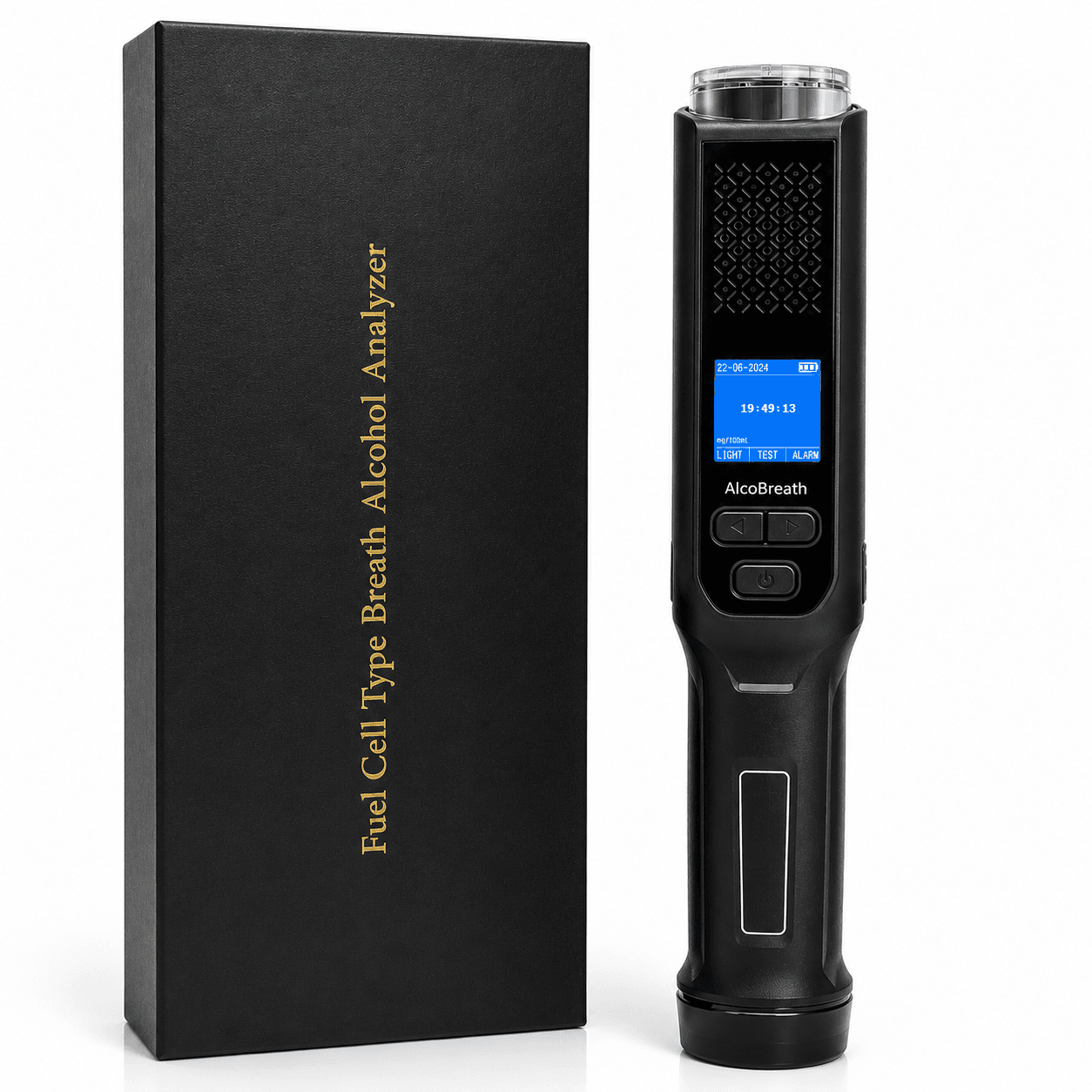
- Screening at entry or before a safety-critical task, using a fuel-cell breath analyser with a printer or data log.
- A confirmatory second breath test after a short interval, on the same device or a second unit.
- A defined escalation for confirmed positives: stand down from duty, no immediate termination, referral to occupational health.
- Laboratory confirmation only where the case is contested, where an injury occurred, or where law enforcement is involved.
- Written consent, calibration records and a named custodian for the device.
The policy fails most often at the last point. A device nobody has calibrated in a year is not evidence of anything, and the first serious dispute will expose that.
Searching for an alcohol tester near me
When a supervisor types "alcohol tester near me" at 6 am, what they usually need is not a diagnostic lab. They need a screening device already on site, in working order, with a supply of mouthpieces and a current calibration certificate.
If you are procuring a drug and alcohol tester setup, separate the two functions clearly. Breath units cover alcohol at the point of decision. Urine or saliva panels cover substances and longer-window alcohol markers, and are almost always outsourced to a diagnostic partner. Buying one expecting it to do the other's job is the most common procurement error we see.
For selecting a unit, our purchase verification checklist sets out what to confirm before an order is raised: sensor type, calibration interval, service support and documentation. Households making a smaller purchase for personal use before driving will find the home breath alcohol analyzer guide more relevant. Buyers in Maharashtra can also refer to the Mumbai buyer's guide.
One more thing about blood tests and alcohol
There is a separate, everyday version of this question: does drinking affect an ordinary blood test. It can. Alcohol the night before can influence liver enzymes, triglycerides and glucose, and many labs advise avoiding it for a day or two before a liver function or lipid panel. If you are being tested for anything other than alcohol itself, tell the phlebotomist what you drank and when.
The decision in front of you
A blood test for alcohol detection is a confirmation tool. It is slow, invasive and expensive, and it is genuinely the right answer when a result is contested or an incident has caused harm. It is the wrong answer as a daily control.
If your site currently has no screening and relies on sending disputed cases to a lab, you have a gap that only shows up after something has gone wrong. The person who signs the shift roster carries that gap. Closing it starts with a calibrated breath analyser at the point where people begin work, and a written policy that says what happens next.
 20,000