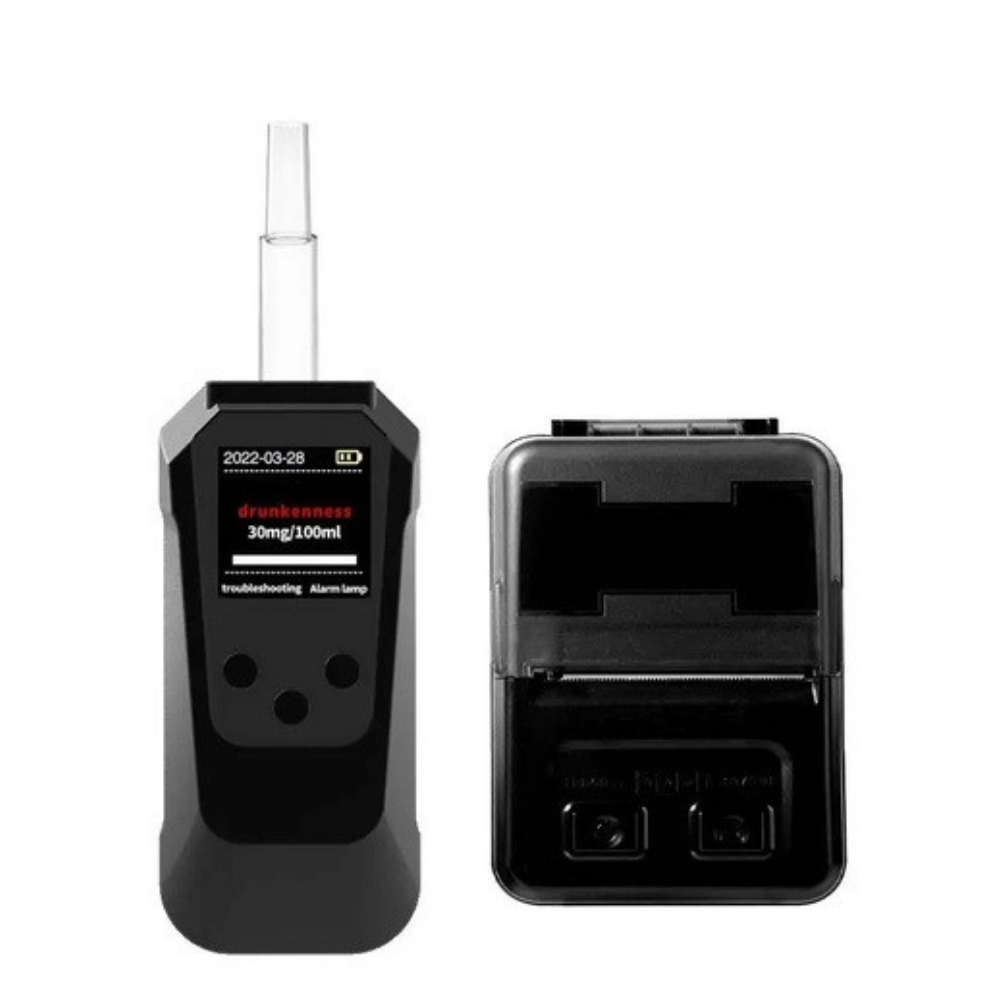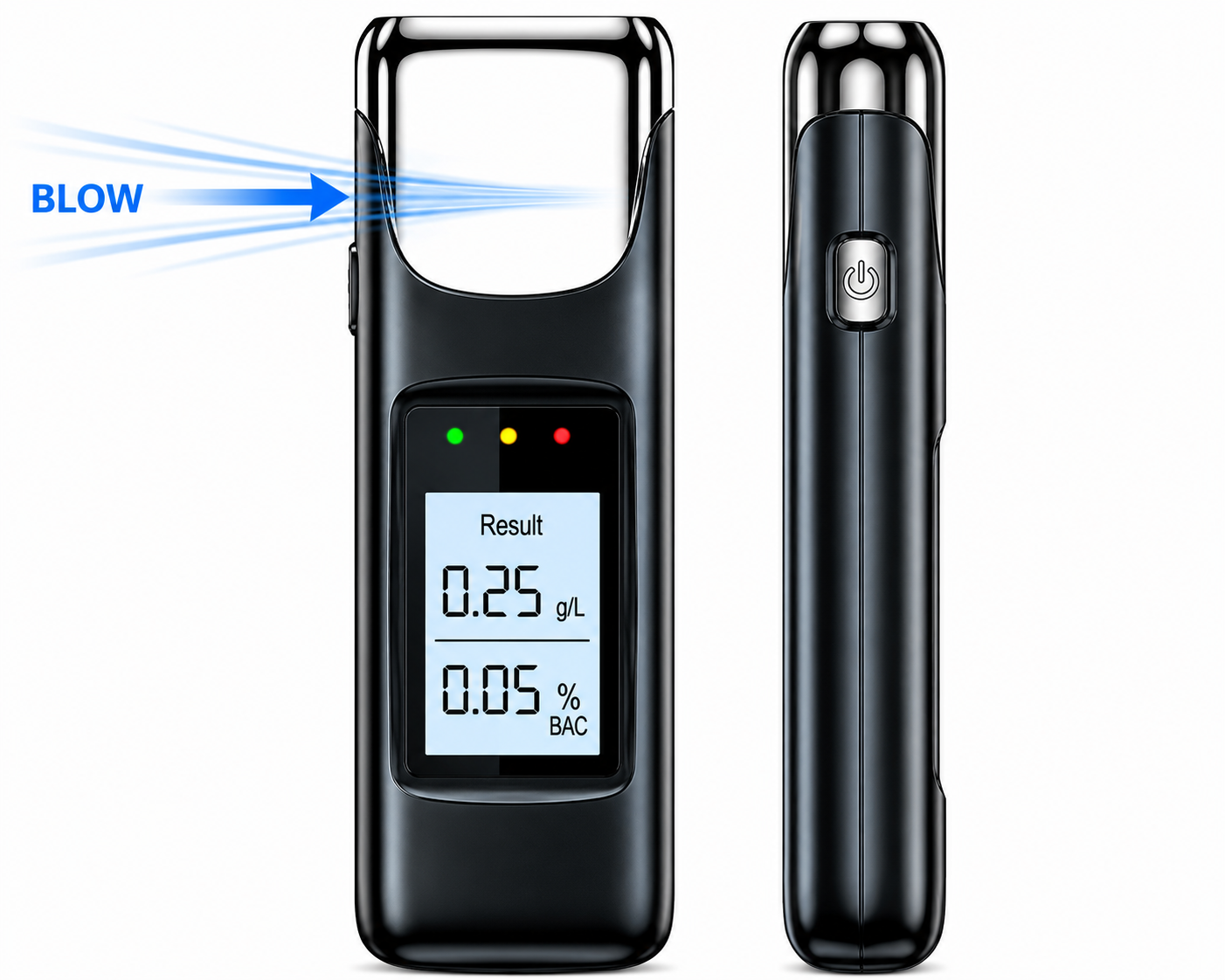

Three quotations sit on a purchase manager's desk in a Pune auto components plant. All three say "breath analyser". One is under two thousand rupees, one is around nine thousand, one crosses thirty-five thousand. The safety head has asked for a device to screen contractor drivers at the loading bay. Finance wants to know why anyone would pay twenty times more for the same thing.
They are not the same thing. The alcohol breath analyser price in India spans that range because the products underneath the label are built for entirely different jobs: a novelty gadget for a party, a personal check before driving home, and an instrument whose readings will be quoted back at you in a disciplinary hearing or an insurance claim.
The person who signs the purchase order carries the consequence of getting that distinction wrong. Buy too cheap for a workplace programme and the first disputed reading collapses the policy. Buy an evidential-grade instrument for a family car and you have spent money on features nobody will use.
The short answer: three price bands
Band Typical price range Sensor Suited to
Consumer / personal Roughly ₹800 to ₹2,500 Semiconductor A driver checking themselves before leaving a function; household use
Semi-professional Roughly ₹3,000 to ₹12,000 Better semiconductor or entry fuel cell Small fleets, single-site security gates, event venues, schools
Professional / workplace-grade Roughly ₹15,000 upward, often ₹25,000 to ₹50,000+ Electrochemical fuel cell Factories, mines, ports, large fleets, enforcement, contractor gates, printed-record programmes
These are the bands you will see quoted across marketplaces, instrument dealers and direct suppliers. Treat any single figure you find online as an indication only, because configuration, mouthpiece count, printer, calibration certificate and warranty all move the number.
What you are actually paying for
1. The sensor
This is the single biggest cost driver. A semiconductor (metal oxide) sensor is inexpensive and responds to alcohol, but it also responds to other substances in breath and drifts noticeably as it ages. A fuel cell sensor reacts specifically with ethanol and holds its accuracy far longer.
For how the two technologies differ in practice, our explainer on the breathalyzer test and its accuracy covers the measurement chain in detail. The short version: if a reading has to survive being questioned, you are buying a fuel cell.
2. Whether the reading can be defended
A workplace screening result is only useful if the employee, the union representative and eventually a lawyer can be shown how it was produced. That means a device with a calibration certificate, a traceable serial number, a stored test log, and ideally a printed slip signed at the gate.
Every one of those features costs money to build and to support. That is most of the gap between a ₹9,000 unit and a ₹35,000 one.
3. Sampling method
Blow-through devices with disposable mouthpieces give the most reliable sample and are standard for confirmatory testing. Passive or non-contact units, where the subject blows towards a cone without touching it, cost more and are bought for speed and hygiene at high-volume gates. Many sites run both: passive for the queue, blow-through for anyone who flags.
4. Throughput and build
A device screening 40 drivers a shift, six days a week, in Nagpur summer heat is a different engineering problem from one used twice a month. Sensor life rated in thousands of tests, a sealed housing, a fast recovery time between blows and a battery that survives a full shift all sit in the higher band.
5. Service, calibration and spares in India
Ask where the device gets calibrated, how long it takes and what it costs. A cheaper instrument with no Indian service path is more expensive than a dearer one you can get turned around in a week. Our purchase verification checklist for buying an alcohol breath analyser online lists the specific documents to demand before you release payment.
The cost nobody puts in the comparison sheet
Purchase price is the smaller half of the decision. Over three years, a workplace programme also pays for:
- Mouthpieces. At even 20 tests a day, consumption dwarfs the device cost. Confirm the price per hundred and whether they are proprietary.
- Periodic calibration. Most professional instruments need recalibration at a fixed interval or test count. Budget for it annually and for the days the device is away, which is why sites with a single gate usually buy a spare.
- Sensor replacement. Semiconductor units often cannot be recalibrated economically at all, so the replacement cycle is the calibration plan.
- Training and record-keeping. Time, not rupees, but it is real. A device used inconsistently produces disputes rather than deterrence.
A ₹1,500 unit that gets replaced twice a year and produces a reading a driver successfully disputes has cost far more than the instrument that did not.
Matching the price band to who you are
Families and individual drivers
A personal device in the ₹1,000 to ₹3,000 range is a reasonable purchase if you understand what it is for: a rough self-check before you decide whether to drive, not a legal clearance. Read it alongside the drink and drive limit and law in India so you know what the number means, and see our guide to choosing a home breath alcohol analyzer.
Small fleets and single-site operations
A transport operator with fifteen trucks and a dispatcher holding vehicles at the yard gate needs repeatability more than sophistication. The semi-professional band, with a fuel cell if the budget allows and a documented calibration schedule, is usually the right landing point.
Factories, warehouses, mines and large fleets
Here the device is part of a disciplinary and insurance framework, not a convenience. Professional fuel cell instruments with printing and log export are the baseline, plus a spare so screening never stops during calibration. The case for the programme itself is set out in why companies need alcohol testers.
Hospitality, events and campuses
A banquet manager clearing valet drivers at eleven at night and a hostel warden at a residential campus both need speed, discretion and clean records. Passive screening units plus a blow-through confirmatory device is the common configuration, and it lands in the upper-middle to professional band.
Buyers comparing local dealer quotes in metros may also find our alcohol tester buyer's guide for Mumbai useful for the types and compliance points that come up in tender documents.
Where cheap devices fail, specifically
They fail in front of an audience. A driver blows 0.02, blows again into the same device four minutes later and reads 0.00. He asks which one is correct, and nobody in the room can answer.
Other recurring failure modes: readings that drift upward across a shift as the sensor warms; no mouthpiece hygiene, so the whole queue refuses; no stored log, so an incident review three weeks later has nothing to review; and no calibration certificate, so the reading has no standing when a claim is contested.
If a result is challenged, the escalation path is a laboratory sample, not a second gadget. The relationship between the two is covered in alcohol and blood test: what the lab measures.
A sensible way to decide the budget
- Write down how many tests per day, at how many locations, for how many years.
- Decide whether a positive result triggers a disciplinary or insurance consequence. If yes, you are in the fuel cell band. Full stop.
- Add mouthpiece consumption and one calibration cycle per year to the quoted price before comparing options.
- Confirm the Indian service address, turnaround time and whether a loaner is provided.
- Buy a spare device before you buy extra features.
A policy also needs a written threshold and a defined action at each result level. If you are still drafting that part, what health guidance and Indian workplace rules actually say about how much alcohol is safe is the place to start.
The next step
If your requirement is a workplace or fleet gate, ask AlcoBreath for a configured quotation rather than a list price: tests per shift, number of gates, printing requirement and calibration interval. That produces a number you can defend to finance, and an instrument you can defend to everyone else.
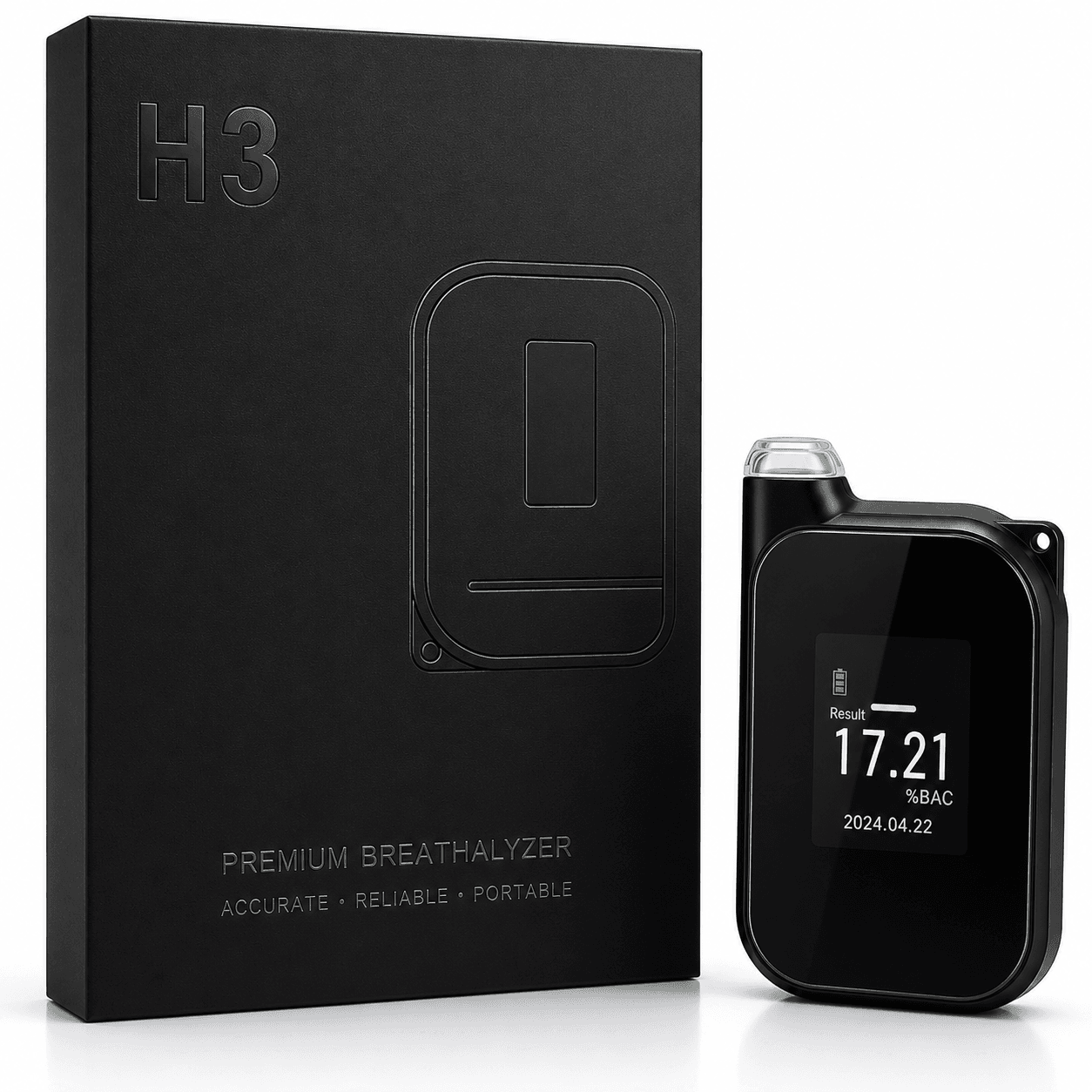
 9,500
9,500