
The legal drink and drive limit in India is 30 mg of alcohol per 100 ml of blood. Anything above that, detected by a breath test, brings the driver under Section 185 of the Motor Vehicles Act, 1988. That single number is the whole of the law, and it is far lower than most people assume when they decide they are "fine to drive".
But the number is the easy part. The harder question for a transport manager, a site in-charge or a night-shift supervisor is different: if a driver leaves your gate over the limit and something happens on the road, who answers for it? The driver faces the case. You face the inquiry, the insurer, the client audit and the family on the phone.
10:40 pm at the gate
A tanker is loaded and cleared. The driver has done this route forty times. Handover was rushed because the previous shift ran late, the paperwork is signed, and nobody at the gate is looking at anything other than the seal and the challan.
He had two drinks with dinner four hours ago. He is not staggering. He passes every informal test a busy gatekeeper applies, which is to say no test at all.
This is where drink and drive incidents are actually created. Not on the highway at 2 am, but at the gate at 10:40 pm, in the ninety seconds when someone chose not to check.
What the law says about driving under the influence of alcohol
Section 185 of the Motor Vehicles Act covers driving under the influence of alcohol or drugs. The threshold written into it is alcohol exceeding 30 mg per 100 ml of blood, established by a breath analyser test. There is no separate allowance for experienced drivers, commercial drivers or short distances.
After the 2019 amendment to the Act, penalties under Section 185 were raised substantially. A first offence attracts a fine of up to ₹10,000 and/or imprisonment up to six months; a repeat offence within three years attracts up to ₹15,000 and/or imprisonment up to two years. Licence suspension commonly follows, and the offence is one for which police may act on the spot.
So yes, it is illegal to drink and drive in India, and it is not treated as a paperwork violation. It sits in the criminal chapter of the Act, which is why a drunk driving charge shows up as a case and not a receipt.
What that means for a commercial operator
For a fleet, the consequences travel upward. A driving under the influence charge against your driver becomes a question about your systems: what screening existed, what the policy said, whether it was applied at the gate or only written in a file.
Insurers and large logistics clients increasingly ask this directly during vendor audits. "We tell our drivers not to drink" is not an answer that survives the second question.
"I only had two" and why self-assessment fails
Alcohol clears the body at a roughly fixed rate that the drinker cannot speed up. Coffee, a cold shower, food, a nap in the cabin, chewing tobacco, a mouthwash rinse: none of these reduce blood alcohol. They only change how alert the person feels, which is exactly the problem.
A driver at 40 mg who feels alert is more dangerous than a driver at 40 mg who feels drunk, because the first one will take the wheel confidently. Judgement of speed, distance and reaction time degrades before the drinker notices anything.
This is the core case for screening rather than asking. A breathalyzer test replaces an opinion with a reading, and a reading is something you can act on, log and defend.
Alcohol screening belongs with your other safety controls
Most Indian plants, warehouses and construction sites already spend on controls that assume people will make mistakes. Nobody argues about them anymore:
- Lockout tagout locks on isolated equipment, because verbal confirmation that a machine is off is not enough. LOTO locks exist precisely because human assurance fails.
- A light curtain across a press or conveyor opening, because an operator's hand will eventually be somewhere it shouldn't.
- A rope grab on a vertical lifeline, because a worker at height will slip once.
- Traffic barricades and cones around excavations and internal roads, because drivers misjudge gaps.
Alcohol screening is the same category of control. It assumes that judgement fails and installs a check that does not depend on judgement. A supervisor who would never let a fitter work on a live panel without loto locks should not let a driver take a 16-tonne vehicle out on trust alone.
Types of traffic barriers, and the one gap they don't cover
Site traffic management usually runs through physical separation. The common types of traffic barriers on Indian sites include:
Control What it manages
Concrete or water-filled barricades Separating vehicle lanes from work zones
Cones and delineators (including used traffic cones bought cheap for internal roads) Temporary lane changes, reversing zones
Boom barriers at gates Controlling who enters and exits
Speed humps and marked walkways Pedestrian-vehicle conflict
Every one of these manages where a vehicle goes. None of them manages the condition of the person driving it. Plenty of purchase teams will search for used traffic cones for sale to save a few thousand rupees while running zero alcohol checks on the drivers those cones are meant to protect. The barricades hold the line; only screening holds the driver.
What a workable drink and drive policy looks like
A policy that gets used has four features and fits on one page.
- A defined trigger, not discretion. Screen at shift start for all drivers, plus after any incident, plus randomly on night and festival shifts. If testing depends on whether a supervisor "suspects" something, testing stops happening.
- A stated internal limit of zero. For anyone driving on duty, operating machinery or working at height, the workplace number should be zero, not 30 mg. The legal limit is a prosecution threshold, not a safe operating level.
- A written consequence path. What happens on a positive reading: driver stood down, alternate arranged, retest after a defined interval, HR process initiated. Decided in advance, in writing, so the 10:40 pm decision is not made by a gatekeeper under pressure.
- Records. Date, time, driver, reading, tester ID. This is what you produce in an audit or an inquiry.
Choosing the right drunk and drive machine
The device you need depends on how often you will use it and what the reading has to withstand.
Fuel cell sensors are the right choice for gate screening, fleets and any setting where readings may be challenged. They respond specifically to ethanol and hold accuracy across many tests, which matters when one unit runs fifty drivers a shift.
Semiconductor sensors are cheaper and suit occasional personal use, but drift more and can react to other substances.
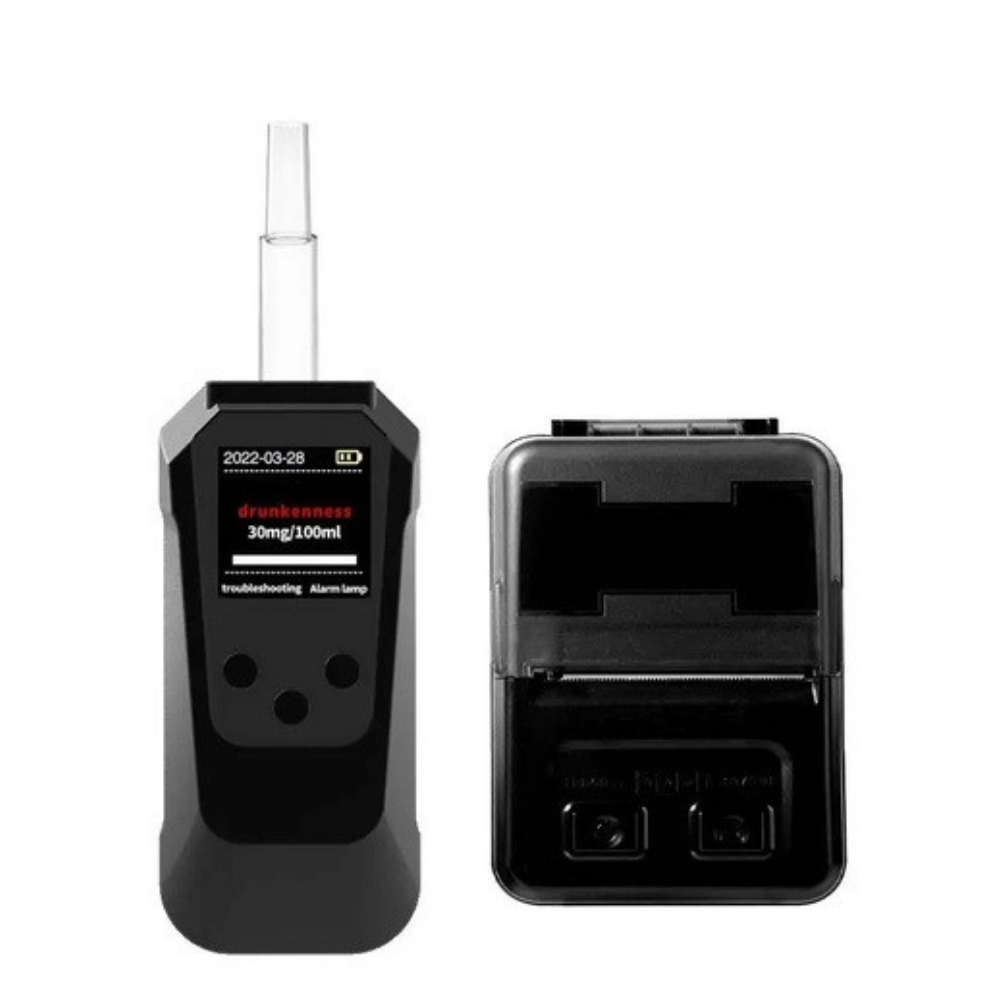
For high-volume gates, a passive or non-contact screening unit lets you check a queue of drivers quickly, then confirm any suspect reading with a mouthpiece test. For depots and factories, a rugged handheld fuel-cell unit with a printer or data log is usually the practical answer. AlcoBreath supplies fuel-cell professional analysers in both configurations, and can advise on calibration intervals, which matter more than the purchase price over three years.
If you are comparing options, the alcohol testing machine buying guide covers sensor types and volume ratings, and this breakdown of alcohol testing machine features and uses explains what specifications actually change day-to-day performance. Buyers in Maharashtra can also see the alcohol tester in Mumbai guide for compliance and accuracy considerations.
Families who drive
The drink and drive risk is not only commercial. A wedding function, a Diwali party, a Sunday lunch that ran long: someone always says they are fine, and everyone else in the car defers to them.
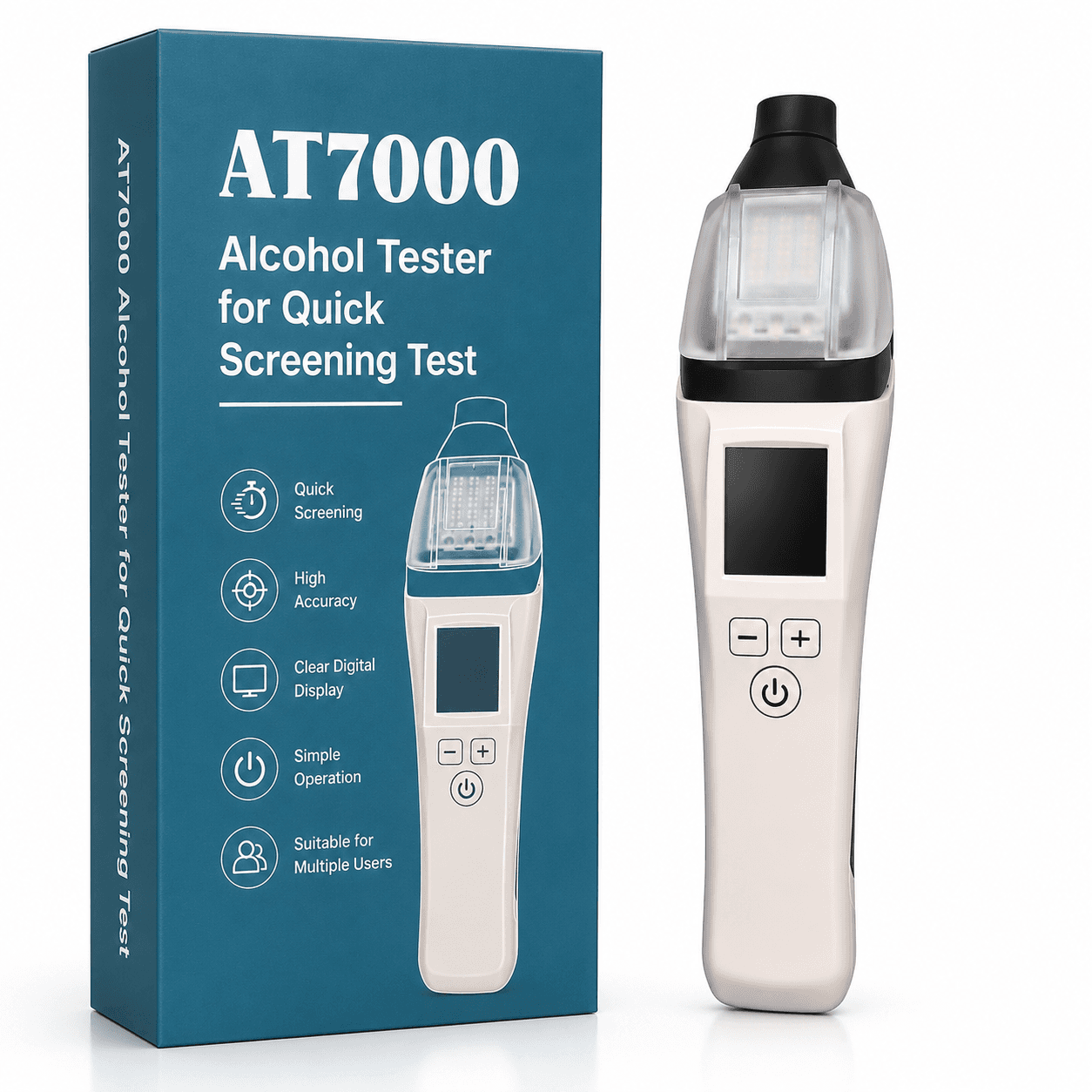
A small personal unit in the glovebox changes that conversation from an argument into a number. It is a low-cost intervention with a clear answer, and a home breath alcohol analyzer is enough for that purpose.
The decision in front of you
Routine alcohol screening is now ordinary practice in Indian logistics, mining, ports, contract manufacturing and construction. Clients ask for it, insurers look for it, and after any serious road incident the first question is whether it existed.
You already buy lockout tagout locks, guards and barricades because you accept that trust is not a control. Driving under the influence deserves the same treatment: a defined trigger, a reliable device at the gate, and a record that shows the check was made.
 9,500
9,500