
# Alcohol Tester in Mumbai: What to Know Before You Buy
If you are looking for an alcohol tester in Mumbai, the single most important decision is the sensor type inside the device. A fuel cell breath analyser gives evidential-grade readings suitable for workplace and enforcement use, while a semiconductor unit is a low-cost screener for personal awareness. Everything else, from printers to mouthpiece design, follows from that choice.
Mumbai's demand for breath alcohol testing comes from a mix of industries: port and logistics operations, refineries and chemical plants in the MIDC belts, construction sites, BPO and hospitality employers, fleet operators, and hospitals. Each has a different testing volume, and that volume decides which alcohol tester in Mumbai actually makes sense for you.
How a Breath Alcohol Tester Works
A breath analyser measures alcohol in deep lung air (alveolar air) and converts it into Breath Alcohol Concentration (BrAC), usually displayed as %BAC, mg/L or mg/100ml. Because alcohol in the lungs is in equilibrium with alcohol in the blood, breath testing gives a close estimate of blood alcohol without a needle.
The subject blows steadily for a few seconds. The device captures a fixed sample volume, the sensor reacts to the alcohol in it, and a reading appears within seconds. Sample volume control matters: a unit that accepts a weak puff will under-read.
Fuel Cell vs Semiconductor Sensors
Feature Fuel cell Semiconductor (MOS)
Selectivity to ethanol High; largely ignores acetone, ketones, smoke Lower; can respond to other vapours
Typical use Workplace screening, enforcement, clinics, fleets Personal use, awareness checks
Drift over time Low and predictable Higher
Recalibration Usually annual or by test count More frequent, often ignored by users
Cost Higher Lower
For any situation where the result leads to a decision, sending a driver home, stopping a shift, denying gate entry, a fuel cell alcohol tester is the sensible baseline.
Who Buys Alcohol Testers in Mumbai
Manufacturing and process plants. Zero-tolerance policies at gates in areas like Taloja, Rabale and Turbhe usually need a device with high test throughput and a passive or contact-free screening mode for fast queues.
Fleet and transport operators. Trucking, cab aggregator hubs, and bus depots need portable units with printers so a dated record can be attached to the trip sheet.
Corporate offices and IT parks. Lower volumes, but the requirement is documentation. A printer or data-logging model with USB export helps HR keep an audit trail.
Hospitals and diagnostic centres. Emergency departments use breath screening for triage before confirmatory blood or lab testing.
Security agencies and event venues. Entrance breathalyser systems and wall-mounted screeners handle high footfall with minimal operator training.
Types of Alcohol Testers Available
Handheld Personal Screeners
Compact, battery-powered, semiconductor sensor. Useful to know whether you are near or over a limit before driving. Treat the reading as indicative, not evidential.
Professional Handheld Fuel Cell Analysers
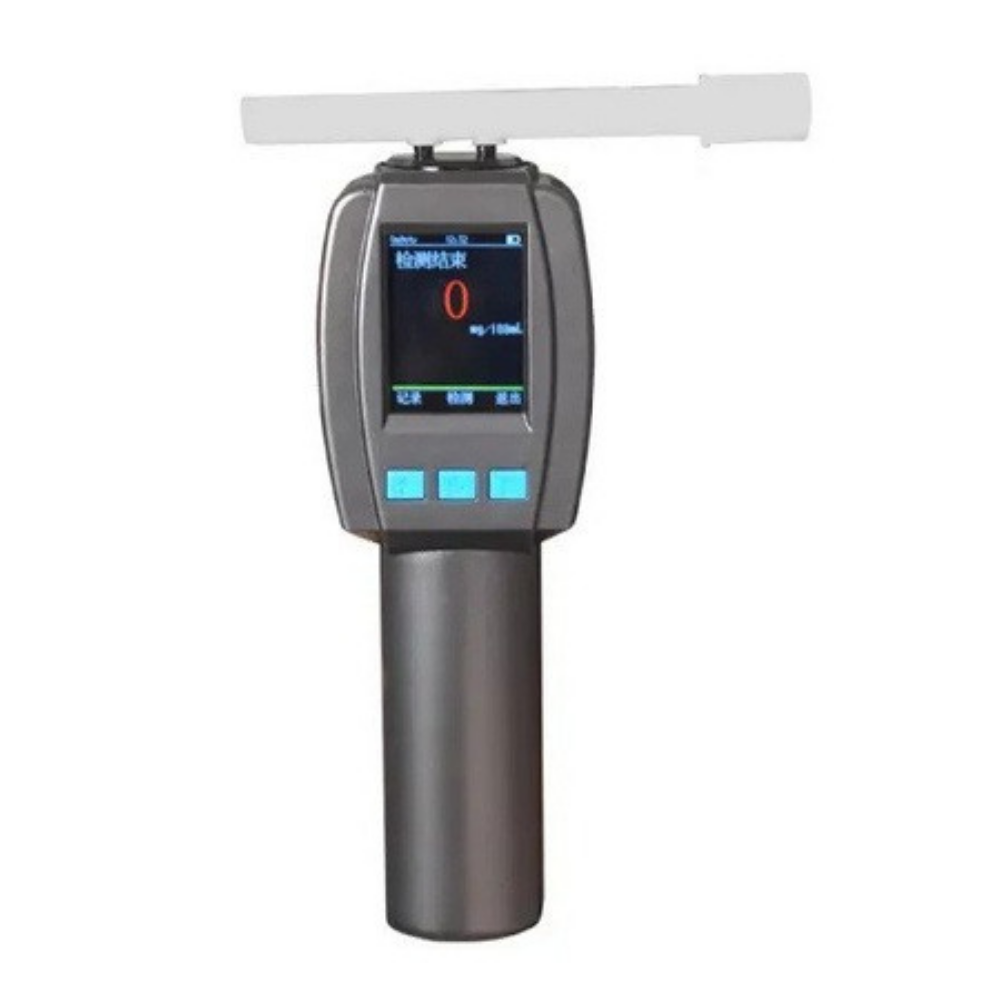
These use replaceable mouthpieces, hold calibration well, and log tests. Models in this class are the workhorses of workplace screening in Mumbai.
Breath Analysers with Built-in Printer
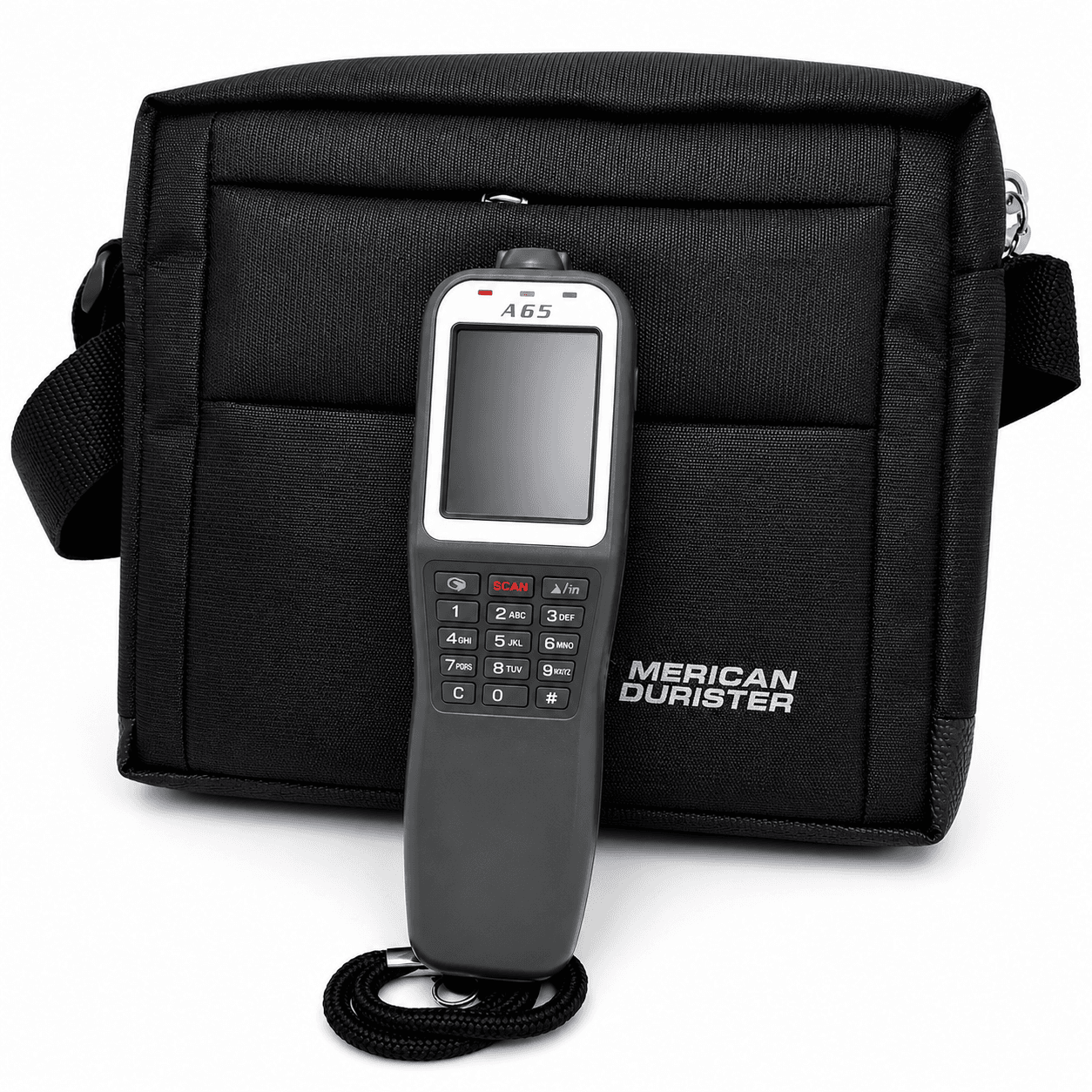
A thermal printer prints time, date, reading, and test number. This is the format most HR and safety teams prefer because it removes disputes about who tested when.
Passive / Contact-Free Screeners
The subject speaks or blows towards a sensor cone without a mouthpiece. Speed is the advantage; these are pass/fail indicators, and a positive result should be confirmed with a mouthpiece test.
Wall-Mounted Entrance Systems
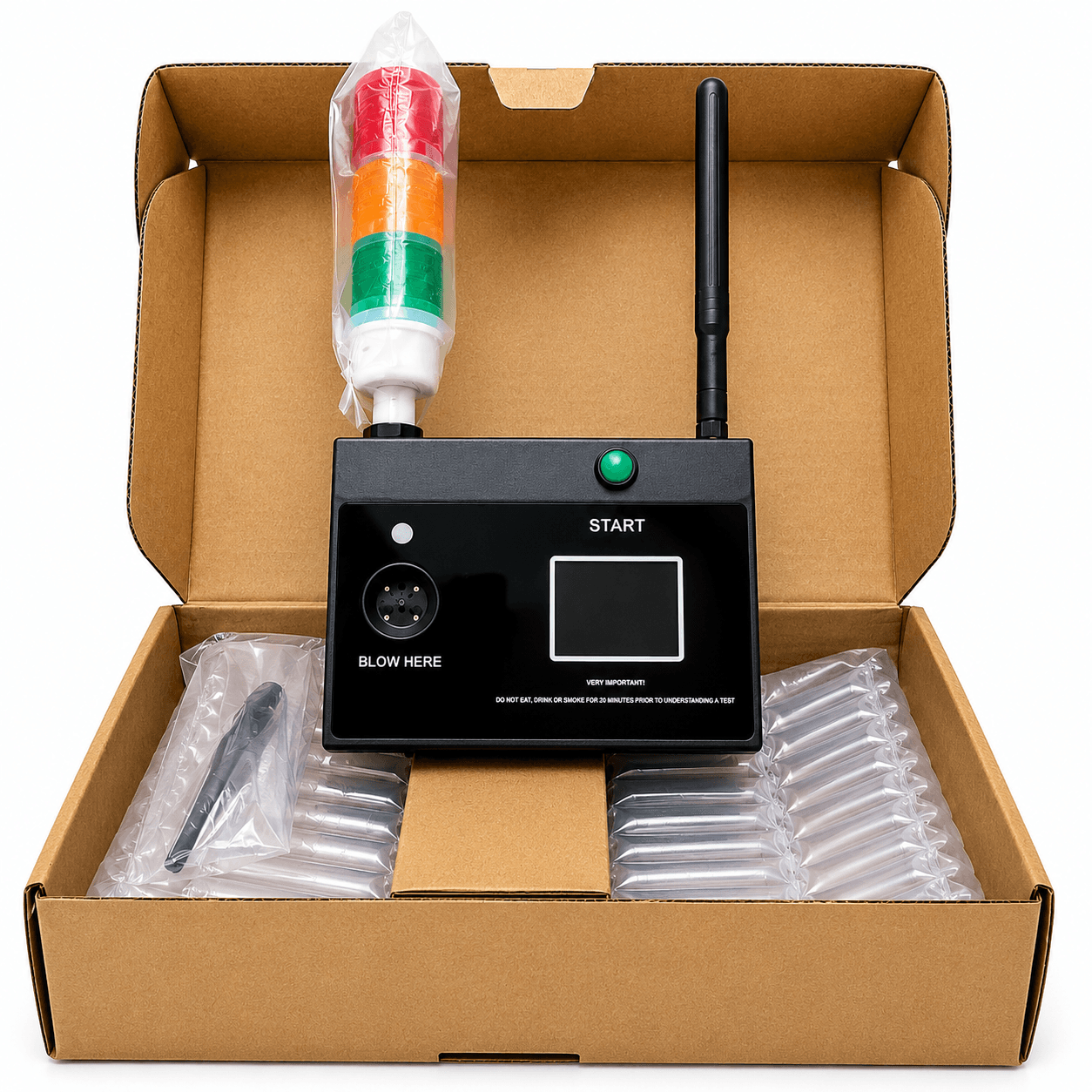
Installed at factory gates and turnstiles. They can integrate with access control so a positive reading blocks entry and raises an alert.
Accuracy, Calibration and Certification
Accuracy claims mean little without calibration discipline. Ask suppliers three questions before purchase.
- What is the stated accuracy and at what BAC point? A figure like ±0.01 %BAC at 0.05 %BAC is meaningful; "high accuracy" is not.
- What is the recalibration interval? Commonly every 12 months or after a set number of tests, whichever comes first. Confirm whether calibration is done in Mumbai or the unit must be shipped out.
- Is a calibration certificate provided? For audits and legal defensibility, a traceable certificate matters more than the brochure.
Drink-driving enforcement in India is governed by the Motor Vehicles Act, with a legal limit of 30 mg alcohol per 100 ml of blood. Personal and workplace devices are screening tools; enforcement outcomes rest with authorised officers and their approved equipment.
Things That Distort a Reading
- Testing within 15-20 minutes of a drink, mouthwash, or breath spray leaves residual mouth alcohol that inflates the result.
- Smoking immediately before a test can affect semiconductor sensors.
- Very hot, humid, or dusty conditions can shift readings; Mumbai monsoon humidity is a real factor for storage.
- A weak or interrupted blow may produce a falsely low reading.
Always allow a waiting period, offer water, and retest before acting on a borderline result.
Choosing a Supplier in Mumbai
Many listings for an alcohol tester in Mumbai are resellers who dropship. That is fine for a single personal unit, but for a workplace programme you want a supplier who can support the device through its life.
Check for:
- Local calibration and service with a stated turnaround time, plus a loaner unit option if downtime is unacceptable.
- Mouthpiece supply. These are consumables. Confirm price per 100 and stock availability, because a device without mouthpieces is idle.
- Warranty terms in writing, including whether the sensor is covered separately from the body.
- Training and SOP support so security or HR staff run tests consistently.
- Documentation including calibration certificates, user manual, and invoice with model and serial number.
Matching the Device to Test Volume
Daily tests Recommended type
Under 5 Handheld fuel cell, no printer
5-50 Fuel cell handheld with printer and data log
50-300 Passive screener for first pass, plus fuel cell for confirmation
Continuous gate flow Wall-mounted entrance system with access-control integration
Budgeting Beyond the Purchase Price
The device price is only part of the cost. Build your budget around four items: the unit, mouthpieces, annual calibration, and printer rolls if applicable. Over three years, consumables and calibration on a busy unit can rival the hardware cost, so compare total cost of ownership rather than the sticker figure.
Prices vary widely across sensor grades and features. Ask for a written quotation that separates hardware, consumables, calibration, and warranty extension so you can compare suppliers on equal terms.
Setting Up a Workplace Testing Policy
A device without a policy creates disputes. A workable policy in an Indian workplace typically covers:
- Scope: who is tested, at what points (gate entry, random, post-incident, return-to-duty).
- Threshold: the reading treated as positive, plus a stated retest procedure.
- Consent and privacy: how results are recorded and who can see them.
- Consequences: graded, documented, and applied consistently.
- Records: retention period and format, printouts or exported logs.
Train at least two people per shift to operate the alcohol tester so testing does not stop when one person is absent.
Practical Buying Checklist
- Fuel cell sensor if results drive decisions
- Stated accuracy at a defined BAC point
- Clear recalibration interval and local service
- Mouthpiece availability and price
- Printer or USB export if you need records
- Test-count display so you know when calibration is due
- Battery type and charging method suited to your site
- Warranty and calibration certificate in writing
A well-chosen alcohol tester in Mumbai, supported by proper calibration and a documented policy, turns breath testing from a formality into a reliable safety control. Start with your daily test volume and the level of documentation you need, and the right device category becomes obvious.
 30,000