
By Manish Verma, Founder, AlcoBreath ya Alcohol testing specialist
A summons arrives at a logistics company's registered office. It names a driver nobody in the admin team recognises by face, and it names a vehicle that is very much on the asset register. The driver was stopped on a state highway at 11.40 pm, screened positive, and the vehicle sat at the police station for two days while a consignment went undelivered.
The drunk driving penalty in that file will be quoted as a rupee figure. The rupee figure is the smallest thing that happened. The client's quality team has already asked, in writing, what the company's alcohol testing policy is, and the honest answer at the moment is that there isn't one.
That gap is the subject of this article. The law sets out what the driver pays. What the organisation pays is decided by whether anyone bothered to check before the vehicle left.
The drunk driving penalty under Indian law, stated plainly
Driving with alcohol in the blood above the statutory limit is an offence under Section 185 of the Motor Vehicles Act, 1988, as amended by the Motor Vehicles (Amendment) Act, 2019. The limit is 30 mg of alcohol per 100 ml of blood — roughly 0.03%, which is lower than the limit in many other countries.
Situation — Penalty under Section 185
First offence — Fine up to ₹10,000, or imprisonment up to six months, or both
Second or subsequent offence within three years — Fine up to ₹15,000, or imprisonment up to two years, or both
Driving under the influence of drugs — Same section, same penalties
Refusing or failing a breath test — Dealt with under the enforcement provisions of the Act; refusal is not a way out
Section 185 is the headline. It is not the whole exposure. Courts routinely attach licence disqualification to a conviction, and where drunk driving causes injury or death, prosecution moves to the provisions covering rash and negligent driving, which carry far heavier consequences than a traffic fine. A deeper walkthrough of the statute and who is caught by it sits in our explainer on Drink Driving in India: The Limit, the Law and Who Carries the Cost.
The penalty the law writes down, and the penalty the business actually pays
Ask a fleet owner what a drink driving case cost and they rarely start with the challan.
The vehicle stops earning. A detained truck or bus is not a penalty on paper, but it is a penalty on the P&L. Add driver absence for court dates.
The licence is at risk. A disqualified commercial driver is an empty seat. In a market where experienced heavy-vehicle drivers are hard to replace, that is the costliest line item of all.
The insurance position changes. Motor policies in India commonly exclude liability where the driver was under the influence of intoxicating liquor beyond the permissible limit. A repudiated own-damage claim after a serious crash can exceed the fine by orders of magnitude, and third-party exposure does not simply vanish.
The contract is reviewed. Logistics clients, mining principals, pharmaceutical shippers and large construction contractors increasingly ask for a documented substance policy as a condition of empanelment. One incident turns that question from a form-filling exercise into an audit.
The internal case gets harder. If a positive driver is dismissed and the company has no written policy, no stated limit and no calibration records for the device used, the disciplinary action is weak the moment it is challenged.
Where the penalty stops being the driver's alone
The fine falls on the individual. Accountability spreads wider.
A transport manager who was told a driver had been drinking on the previous run and rostered him anyway is not in a comfortable position. Nor is a site in-charge who waved through a crane operator because the shift was short-staffed. Indian law also recognises guardian and owner responsibility in specific circumstances, including offences committed by juveniles using a registered vehicle, where the registered owner or guardian can be held liable.
For permit holders and aggregator-linked operators, there is a licensing dimension too. Repeated incidents attached to one operator attract the attention of the transport authority, not just the traffic police. Our piece on Driving Under the Influence: What Indian Operators Are Actually Accountable For sets out that chain of responsibility in more detail.
How the limit gets measured, and why readings get disputed
Roadside enforcement in India relies on breath testing. The officer screens, and where the reading is above the limit the case proceeds, with blood testing available in contested or medical situations.
Inside a company, the same technology does a different job: it stops the trip rather than punishing it afterwards. But the reading only holds up if the process around it is sound.
Disputes almost always come from one of four places:
- Mouth alcohol. A reading taken within fifteen minutes of a drink, a mouthwash or a sip of medicinal syrup can be inflated. A short wait and a retest resolves it.
- No calibration record. A device that has not been calibrated on schedule is a device the driver's representative will attack first.
- No second test. A single reading with no confirmation looks arbitrary. A documented retest after a set interval does not.
- No written policy. If the limit, the procedure and the consequence were never communicated, the result is a surprise, and surprises get argued.
How screening actually plays out on Indian roads and inside Indian depots is covered in Drink Driving Detection: How Indian Fleets and Police Actually Catch It.
What a workable screening policy looks like
A policy that survives contact with a real shift has five parts and fits on two pages.
- A stated limit. Most Indian employers running vehicles or machinery set zero tolerance for on-duty personnel rather than mirroring the 30 mg road limit. Say which you have chosen and apply it uniformly.
- A defined trigger. Pre-shift for drivers and machine operators, random for everyone else, mandatory after any reportable incident, and for-cause where a supervisor records specific observations.
- A procedure. Who tests, where, with what device, the fifteen-minute rule, the confirmatory retest, and how the result is recorded.
- A consequence. What happens at a first positive, what happens at a repeat, and what happens on refusal. Refusal should carry the same consequence as a positive, or people will simply refuse.
- A maintenance schedule. Calibration dates, sensor service, mouthpiece stock. Put a named person against it.
Matching the device to the exposure
The device is the last decision, not the first. Once the policy is written, the choice follows from how many people you screen and how contested the result is likely to be.
- Low-volume, informal checks — a reliable personal or semi-professional unit for a small fleet or a family that wants to self-check before driving.
- Daily gate or depot screening — a fuel cell unit built for repeated tests, with a printer or data log so every result is retrievable months later.
- Enforcement-grade requirements — for operators whose contracts or regulators demand evidential-quality records.
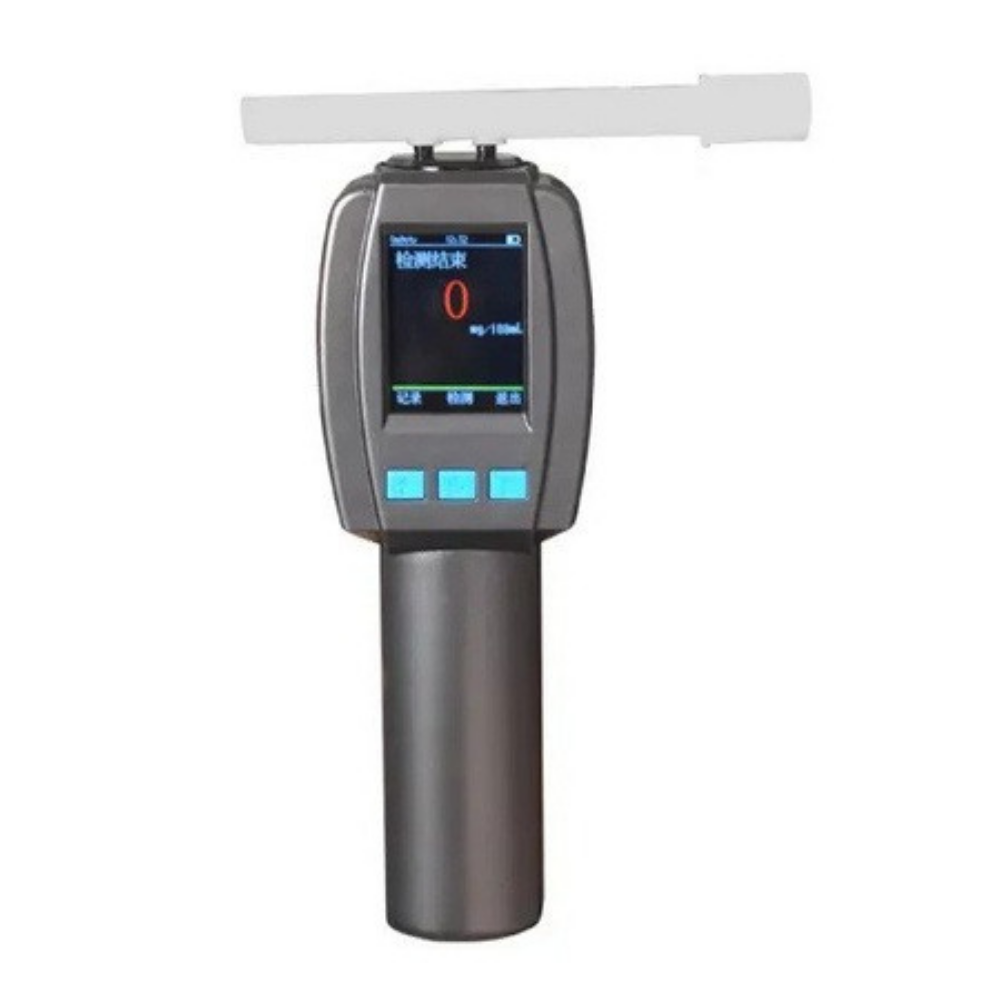
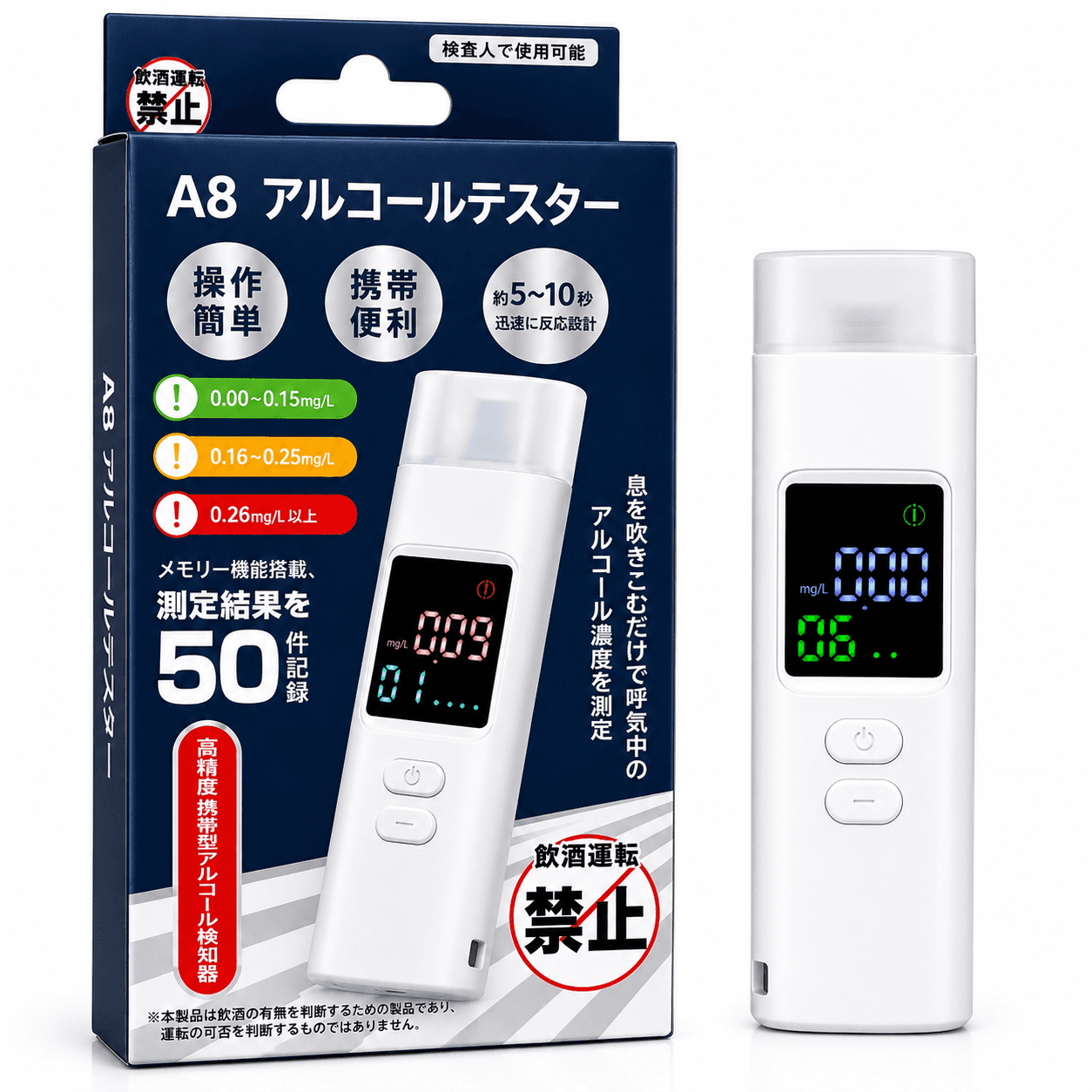
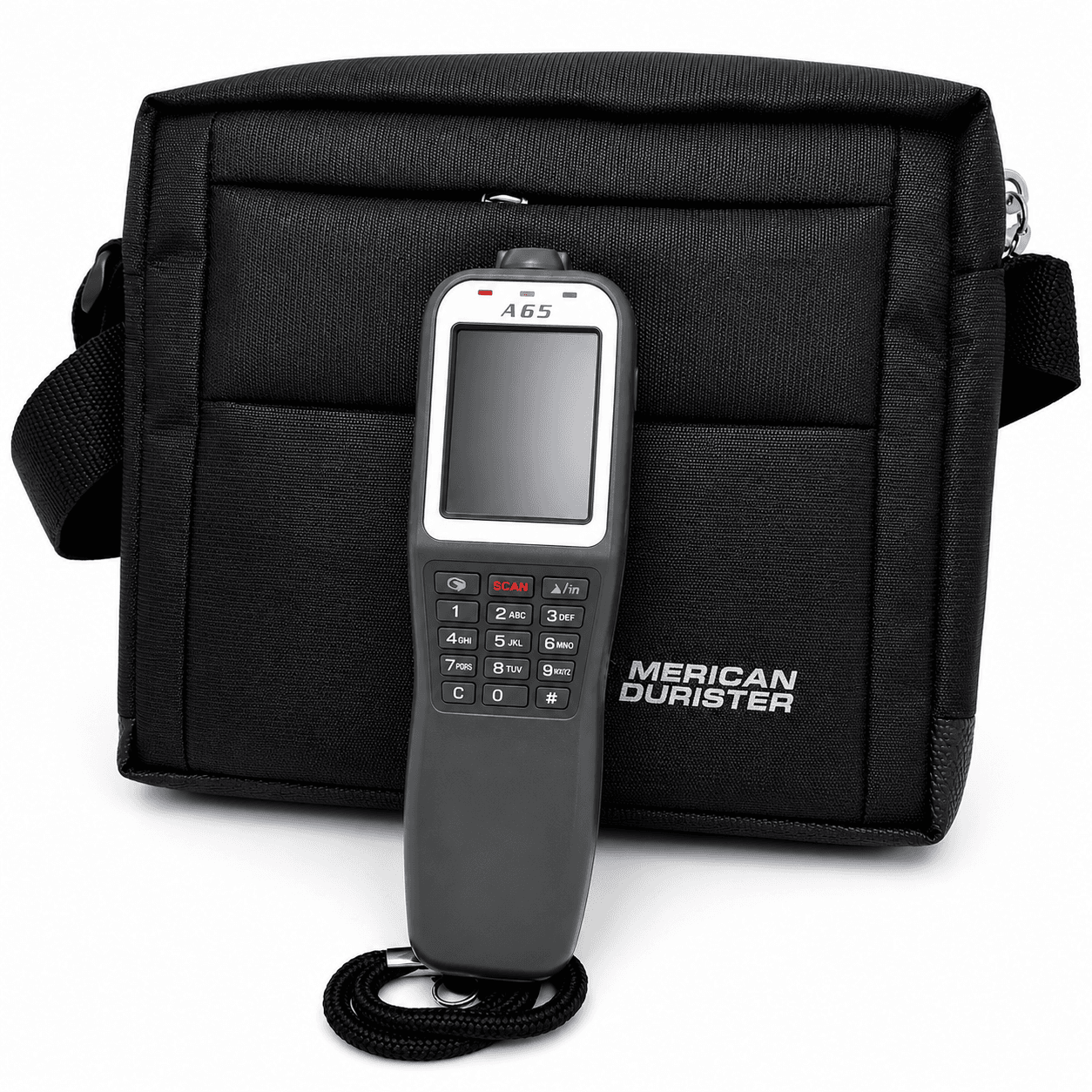
AlcoBreath's range of alcohol testing machines is organised along those lines, so a safety lead can pick on test volume and record-keeping needs rather than on specifications in isolation.
For families who drive
Not every reader of this runs a fleet. A household with one car and two or three drivers in it faces the same statute and the same insurance clause. The practical risk is not the person who drinks heavily and knows it. It is the person who had two drinks at a function at nine, felt completely normal by eleven, and drove.
At a 30 mg limit, "I feel fine" is not a measurement. A small personal breath analyser in the glovebox turns a guess into a number, and the number is what the law is interested in.
The decision in front of you
The drunk driving penalty is fixed by statute and you cannot negotiate it. What you can decide is whether your organisation finds out about alcohol at the police checkpoint, at the accident site, or at the gate five minutes before the vehicle moves.
Only one of those three is cheap.
 30,000