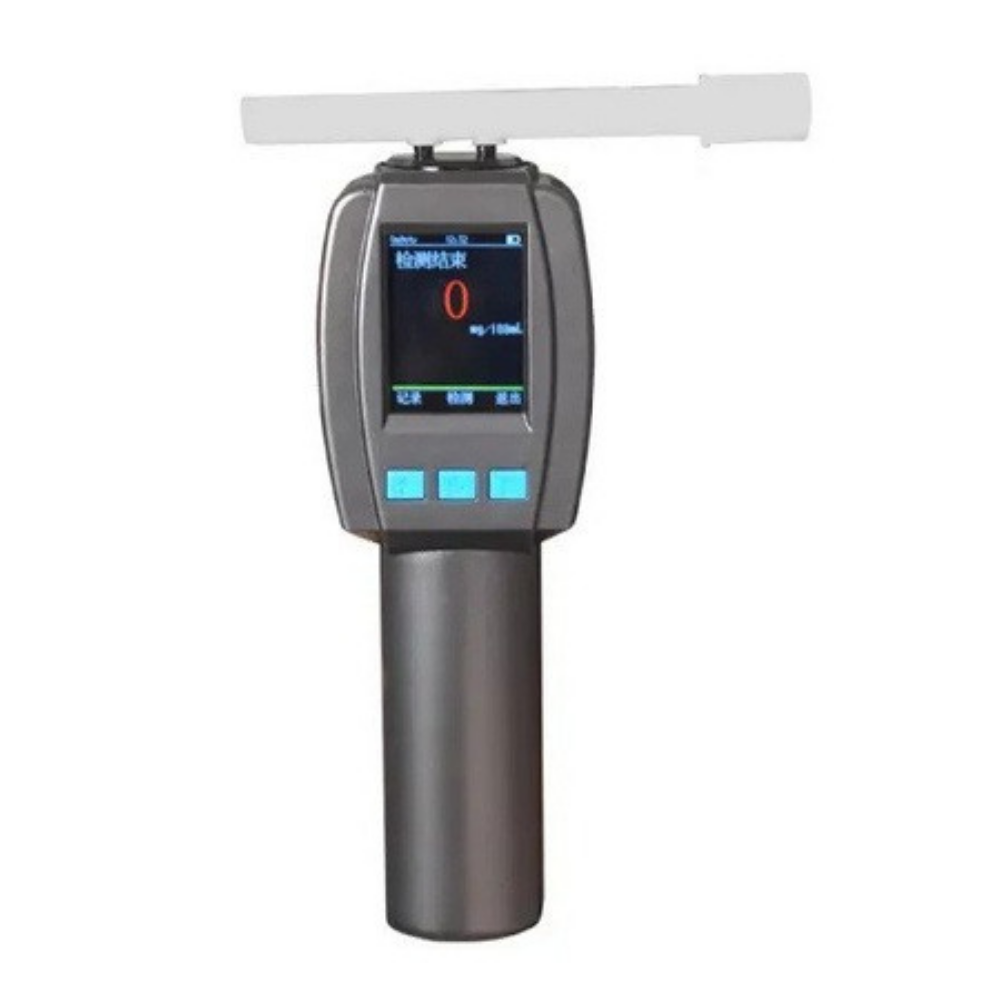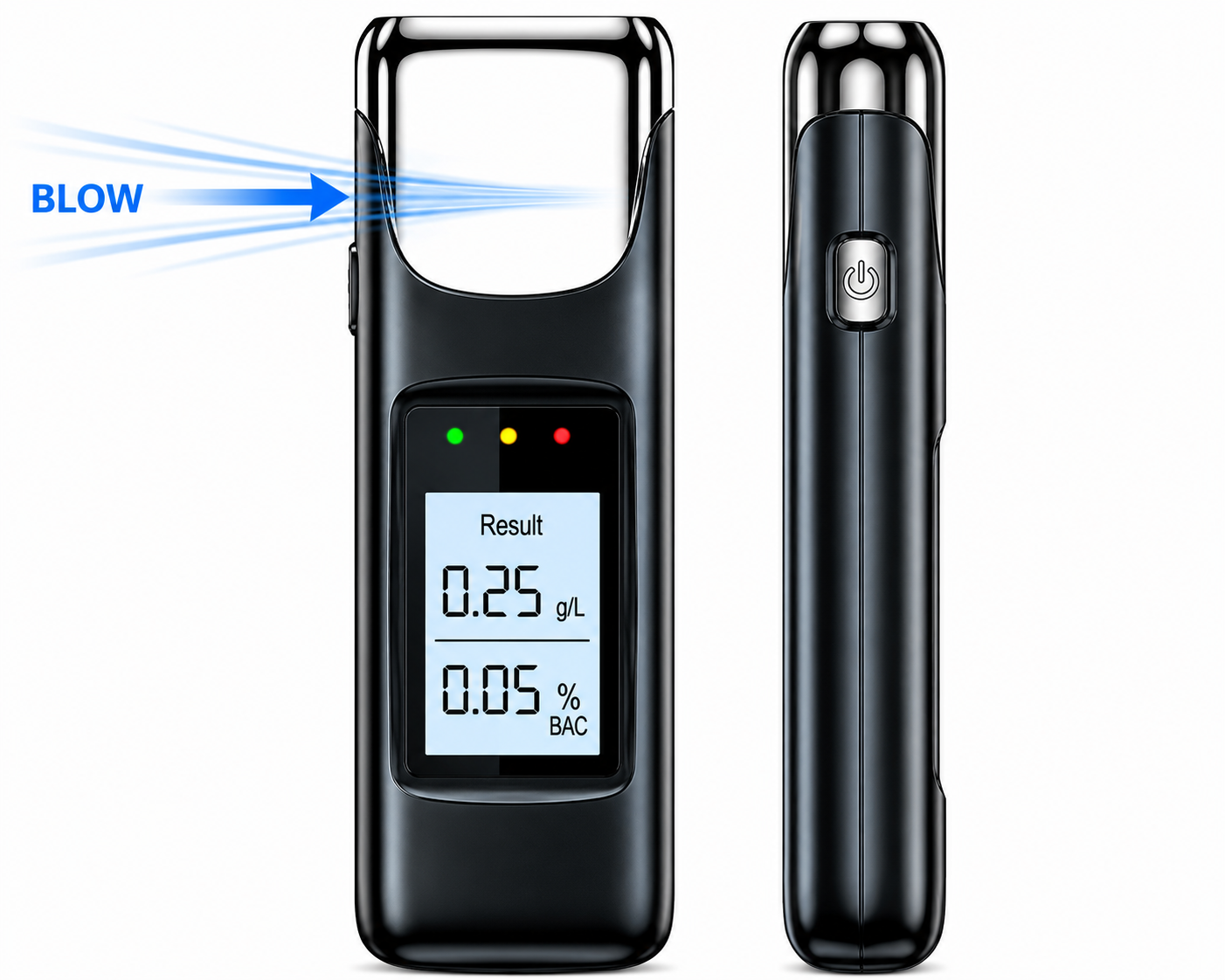

A driver blows 0.02 at the depot gate. He says he took cough syrup. The supervisor has forty minutes before the vehicle is late, no written procedure to point at, and a WhatsApp message going up the chain asking what to do. That gap between a reading and a decision is where most BAC testing programmes fail, not at the device.
BAC testing measures blood alcohol concentration, the proportion of alcohol in a person's bloodstream, usually expressed as a percentage or in milligrams per 100 millilitres of blood. In Indian workplaces it is almost always done by breath, because breath gives you a number in seconds without a needle, a lab or a chain-of-custody form. The number is only useful if someone has already decided, in writing, what happens at each level.
What BAC testing actually measures
Alcohol absorbed into the bloodstream passes into the alveoli of the lungs at a stable, known ratio. A breath analyser samples deep lung air and converts the alcohol it detects into an estimated blood alcohol concentration. That is why a breath result and a blood result use the same units and can be compared at all.
India's drink-driving limit under the Motor Vehicles Act is 0.03% BAC, which is 30 mg of alcohol per 100 ml of blood. That is a low threshold by global standards and it matters for anyone running vehicles: a person can be well under the limit in another country and clearly over it here.
For employers, the legal road limit is a reference point, not a policy. Most safety-critical sites in India set their own threshold at zero or near-zero for anyone operating machinery, working at height, handling chemicals or driving. You are allowed to be stricter than the law. You are not allowed to be vaguer than it.
The three ways BAC gets tested
Method Where it fits Turnaround Practical limits
Breath Gate screening, random checks, post-incident first response, roadside Seconds Estimates BAC; needs correct sampling and periodic calibration
Blood Hospital, confirmatory testing after a serious incident Hours to a day Invasive, needs a lab and trained collection
Saliva / urine Occasional screening where breath is impractical Minutes to hours Urine reflects past consumption more than current impairment
Breath is what a workplace runs on. Blood is what a court or a hospital relies on. The two are not competitors; a sensible policy uses breath to screen and reserves confirmatory testing for the small number of cases that escalate.
Urine testing deserves a specific caution. It can show that alcohol was consumed but correlates poorly with what a person's blood alcohol is at the moment of the test. If your question is "is this person fit to drive the tanker right now", urine is the wrong tool.
Reading the number without over-reading it
A BAC reading tells you how much alcohol is present. It does not tell you how impaired a particular person is, how long ago they drank, or whether they are on the way up or the way down. Two people at 0.05% can look completely different.
That is a feature, not a flaw. A number is defensible precisely because it does not depend on a supervisor's judgement of whether someone "seems fine". Our detailed breakdown of what BAC tester readings mean and what you can act on goes further into interpreting results in a workplace setting.
Common causes of a disputed reading
- Mouth alcohol. Recent drinking, mouthwash, some cough syrups and certain medicated sprays leave alcohol in the mouth that inflates the result. A 15 to 20 minute wait and a retest resolves almost all of these.
- Insufficient breath sample. A short or weak blow may not reach deep lung air. The device should reject it rather than report a low number.
- Uncalibrated sensor. A fuel cell sensor drifts over time. An instrument last calibrated eighteen months ago is not evidence of anything.
- Wrong device for the job. A keychain-grade unit is fine for personal curiosity and useless as the basis of a disciplinary process.
The fix for all four is procedural: a stated waiting period, a documented retest rule, a calibration schedule with records, and equipment matched to the consequence attached to the result.
Who carries the consequence
When an operator with alcohol in his system damages equipment or injures a colleague, the questions that follow are not about that individual. They are about whether the site had a policy, whether it was communicated, whether screening happened, and whether the device worked.
The accountable person is usually the safety head, the plant manager, the transport manager or the HR lead who owns the code of conduct. Contractors do not absorb this risk for you. Neither does an insurer, if the claim reveals that a stated control was never operated.
Client audits have become the practical driver in a lot of Indian industries. Logistics vendors serving pharmaceutical, FMCG and oil and gas clients are increasingly asked to show a written substance policy with screening records. A questionnaire arriving from a customer is a poor time to start building one.
What a workable BAC testing policy contains
Keep it short enough that a shift supervisor can follow it at 5 am without calling anyone.
- Scope. Who is covered: employees, contractors, visiting drivers, and which roles are safety-critical.
- Threshold. The number that triggers action, and whether it is zero or a stated BAC percentage.
- When testing happens. Pre-shift, random, post-incident, for-cause on reasonable suspicion, and return-to-work.
- Method and device. Breath screening as standard, with the device type and its calibration interval named.
- Confirmation. The waiting period and retest rule before any result is treated as final.
- Consequences. Removal from duty first, always. Disciplinary steps second, and stated in advance.
- Records. What is logged, who holds it, and for how long.
- Support. Whether the organisation offers counselling or a treatment pathway before termination.
The second and sixth points are where most policies are thin. A threshold with no stated consequence puts the whole decision on whoever is standing at the gate.
Matching the device to the decision
The question is not "which breathalyser is best" but "what will this reading be used for".
- Awareness and self-checks at a hotel bar, a corporate event or in a family car: a compact semiconductor-sensor unit is adequate. Nobody is being disciplined on the basis of it.
- Daily gate screening of drivers or plant operators: a fuel cell device built for high test volumes, with replaceable mouthpieces and a documented calibration cycle.
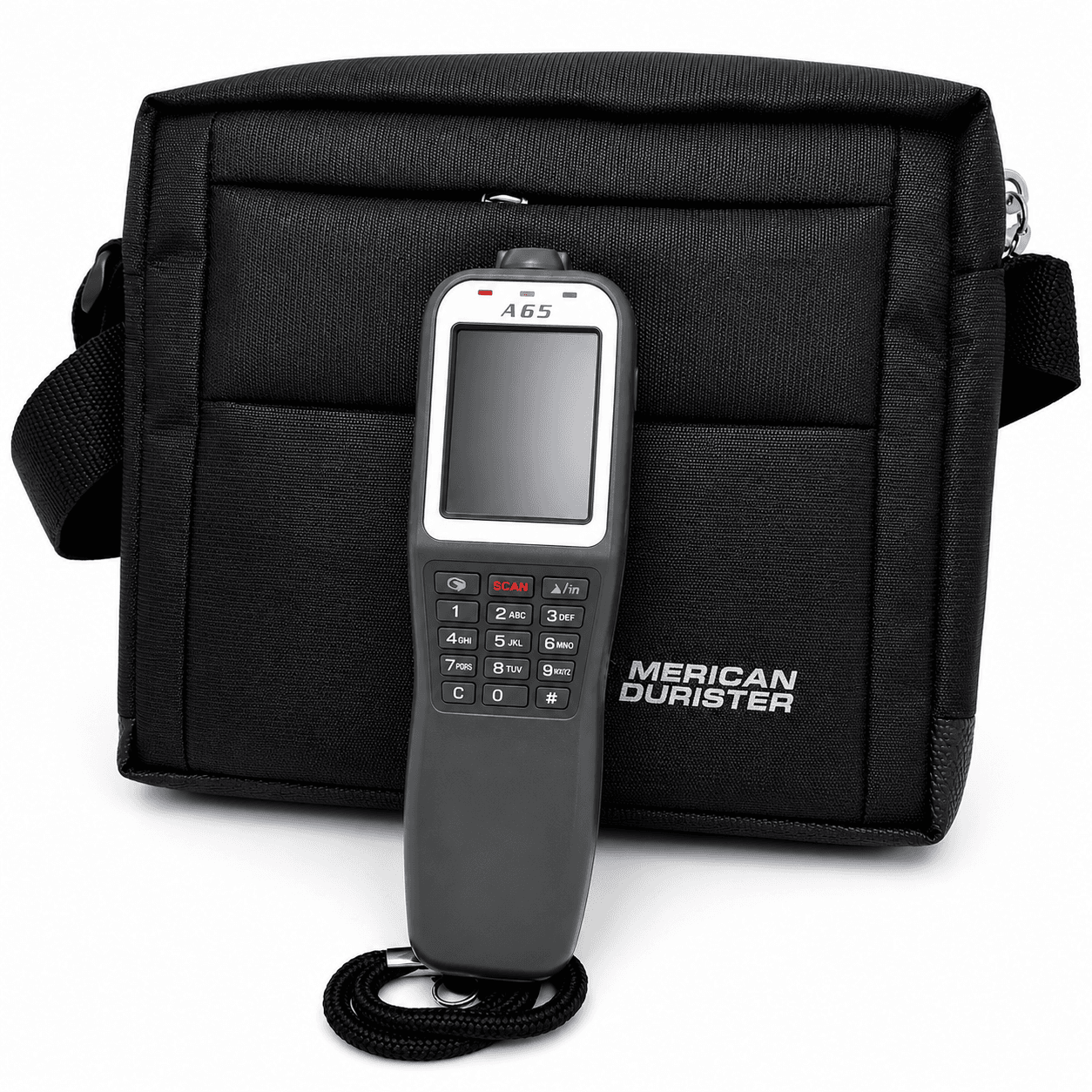
- Evidence-grade testing where results feed disciplinary action or contractual reporting: a fuel cell instrument with printed or downloadable records and traceable calibration certificates.
Our alcohol testing machine buying guide sets out sensor types and volume considerations in more depth, and the features and uses overview covers data logging, printers and passive-mode screening for high-footfall entry points.
Hygiene, throughput and the queue at the gate
A screening programme that adds fifteen minutes to shift start will be quietly abandoned. Throughput is a design decision. Passive or contactless screening can clear a large group quickly, with an individual mouthpiece test only for anyone who registers a positive.
Mouthpieces should be single-use and visibly so. Workers accept testing far more readily when the hygiene is obvious and the process is applied to supervisors and managers as well.
Getting started without over-buying
Begin with the roles where an alcohol-related incident would be most costly, not with the whole workforce. Usually that means drivers, crane and forklift operators, electrical and confined-space teams, and anyone at height.
Decide the threshold and the consequences before the equipment arrives. Then pick the device class the decision requires. If you are still comparing device types, the comprehensive guide to alcohol testing machines is a reasonable next read, and how breathalyzer tests work and the BAC limits in India covers the legal side.
If you are searching for a provider rather than a product, our note on what an "alcohol testing near me" search actually finds explains the difference between diagnostic labs and workplace screening supply, which are not the same service.
The decision in front of you
BAC testing has stopped being unusual in Indian industry. It appears in tender documents, contractor onboarding packs and insurer questionnaires. The realistic choice is not whether to screen but whether your screening produces a number anyone can act on.
Write the policy first. Buy the device that fits it. Calibrate on schedule and keep the records. Everything else is detail.
 30,000