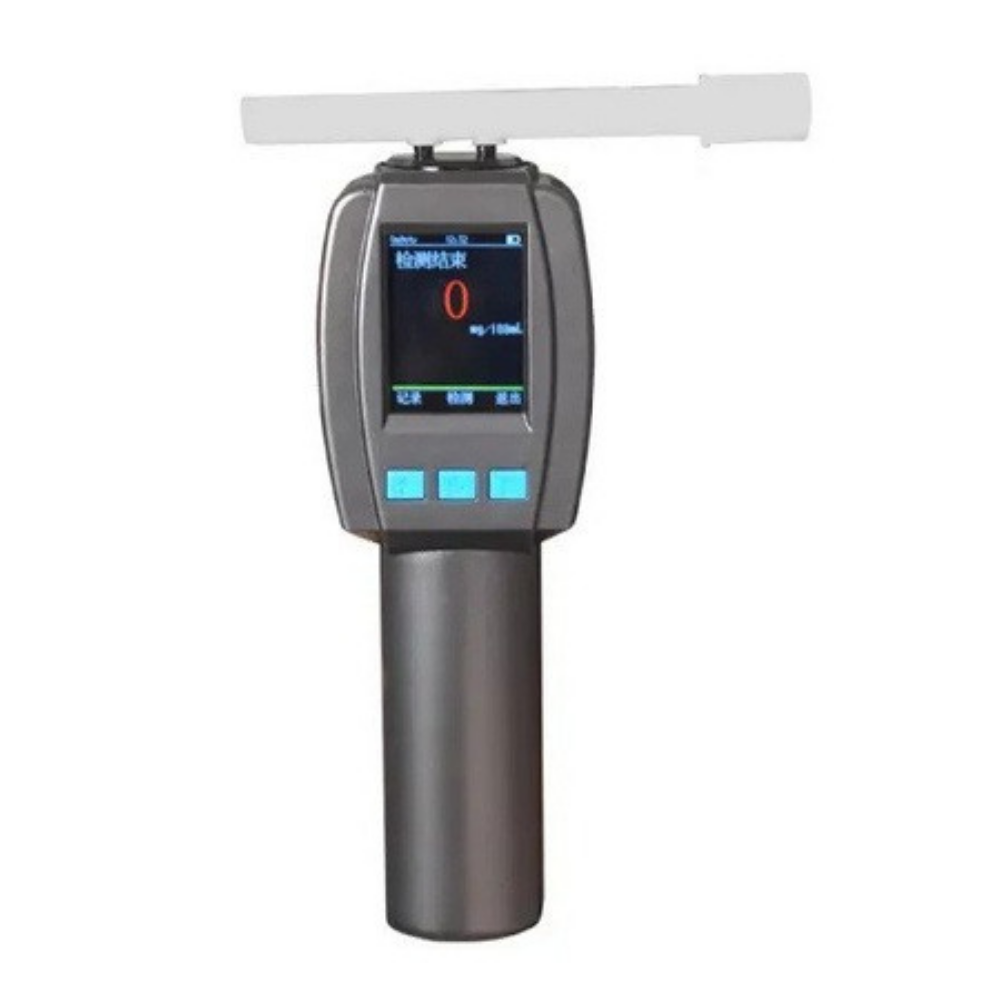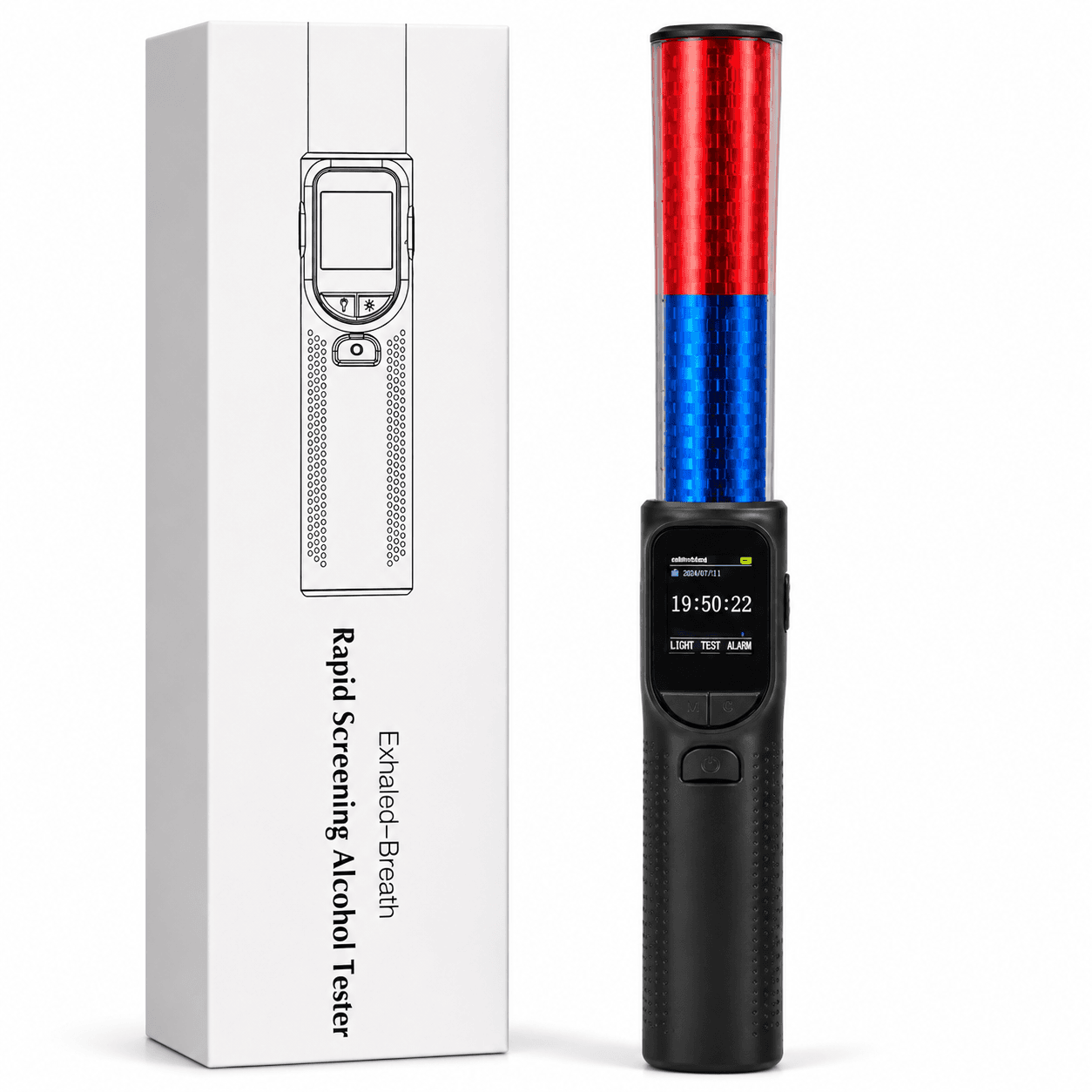

A purchase request for breathalyzer testers has a way of sitting on a desk longer than it should. Three quotes come in. One is a well-known imported consumer brand that a colleague found online. One is an unbranded unit at a fraction of the price with a photo of a sensor and no calibration details. The third is a workplace device from a supplier who keeps asking how many tests per day you expect. Nothing in the file tells the approver which one will hold up when a driver disputes a reading in front of his union representative.
That decision belongs to whoever signs it. If screening is skipped, or done with a device nobody can defend, the consequence lands on the safety head, the transport manager, the site in-charge or the venue owner, not on the person who was tested.
What the Purchase Request Is Really About
The device is not the point. The point is that your operation has hazards that alcohol makes worse, and you have decided to check rather than assume.
In a plant, that means forklifts, hot work, confined spaces and crane operations. In logistics, it means a driver taking a loaded vehicle onto a national highway. On a construction site, it means work at height and a labour contractor whose crew changed since last week. In hospitality, it means a valet or a bouncer at a wedding running past eleven at night. On a campus, it means the hostel gate after a festival weekend.
Indian law sets the outer boundary for driving at 30 mg of alcohol per 100 ml of blood under Section 185 of the Motor Vehicles Act, 1988. Most employers running commercial vehicles or hazardous processes set their own threshold at zero, because a legal limit designed for private motoring is not a safety standard for a tanker driver. If you are still building the case internally, why companies need alcohol testers covers the duty-of-care and contractual side in more detail.
The Three Families of Breathalyzer Testers
Almost every breathalyzer on the market falls into one of three sensor categories, and the sensor decides the price, the accuracy and the service burden.
Semiconductor (metal oxide) sensors. Low cost, quick to respond, and the basis of most inexpensive consumer units and a lot of the "digital alcohol breath tester" listings on marketplaces. They are useful for a pass or fail indication at a gate, but they can react to other substances in breath and they drift faster. Fine as a first filter, weak as evidence.
Fuel cell sensors. These oxidise ethanol specifically, so a reading is far less likely to be thrown off by mouthwash residue, ketones or fumes. They hold calibration longer and give repeatable numbers. Any workplace programme where a positive result triggers a disciplinary process should be built on fuel cell devices.
Evidential and infrared instruments. Bench or ruggedised units used where a result must stand as formal evidence, usually with printouts and strict audit trails. Heavier, slower, costlier, and more than most private employers need unless they are running their own confirmatory step.
Sensor type Best use Typical calibration cycle Result you can defend?
Semiconductor Personal use, low-volume screening Frequent Indicative only
Fuel cell Workplace, fleet, contractor gates Periodic, per manufacturer Yes, with records
Evidential / infrared Confirmatory testing, enforcement Strict schedule Yes
If you want the underlying science of how breath relates to blood alcohol, the explainer on how a breathalyzer test works, its accuracy and BAC limits in India goes into the ratio, the waiting period and the common sources of error.
Consumer Brands Versus Workplace Devices
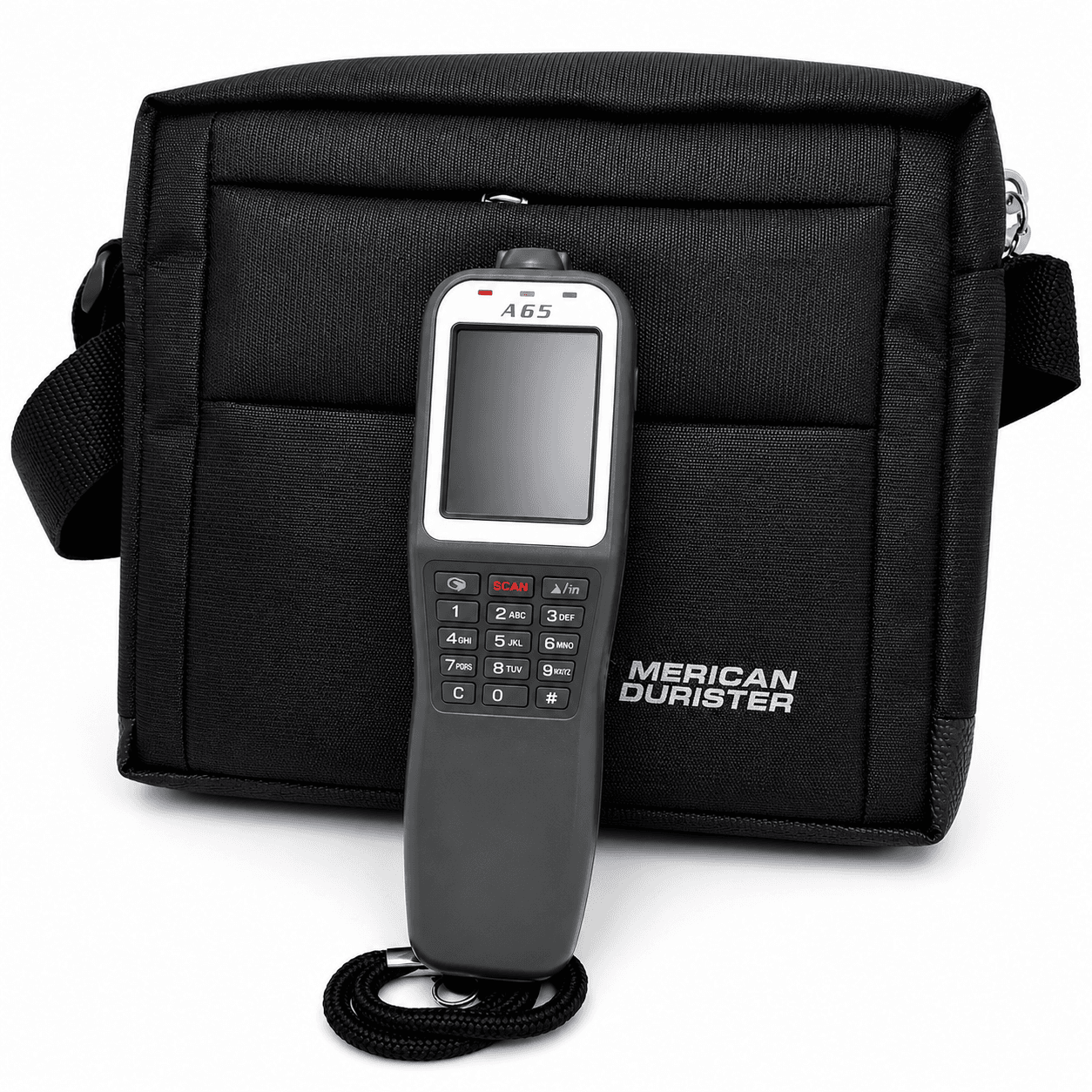
Searches for a bac tester in India often surface American consumer names. BACtrack is the one that comes up most, and you will see it typed every possible way: bac track breathalyzer, bactrack breathalyzer, bactrac breathalyzer, even specific models like the bactrack s80 breathalyzer. You will also see generic app-linked units marketed as an alc smart alcohol tester.
These are genuinely useful products for their intended purpose, which is a person checking themselves before deciding whether to drive. The problem is what happens after purchase in an Indian organisational setting:
- Calibration access. A workplace device needs periodic recalibration against a traceable standard. If that service has to be arranged overseas, the device quietly goes out of specification and stays there.
- Throughput. A consumer unit is designed for a few tests a week, not 180 drivers in a 40-minute shift change.
- Consumables. Individually wrapped mouthpieces, in quantity, delivered to your site.
- Records. Most consumer units show a number and forget it. Your enquiry officer needs a log, ideally a printout or an exported record with time, date and device ID.
- Support and spares. A dead sensor at a mine gate is a production problem, not a warranty conversation for next month.
The honest rule: buy a portable breathalyzer from the consumer market for yourself and your family, and buy a service-backed workplace instrument for anything with an HR consequence attached.
What to Check Before You Sign the PO
A short checklist keeps the comparison fair when the quotes have nothing in common.
- Sensor type stated in writing. If the quotation does not say fuel cell or semiconductor, assume the cheaper one.
- Calibration plan. Who does it, where, how long the turnaround, and what it costs annually. Ask for a calibration certificate with the first delivery.
- Mode of use. Mouthpiece testing for accuracy and record-keeping, or non-contact screening for speed at a crowded gate. Many sites need both.
- Tests per charge and recovery time between tests. This is what decides whether shift change runs on time.
- Data and printing. Memory depth, export format, optional printer for handing the tested person a slip.
- Ruggedness. Dust at a crusher, humidity in coastal Gujarat, heat inside a parked cabin.
- Training. Whoever operates it must know the 15 to 20 minute wait after a rinse, a drink or tobacco, and must follow the same procedure every time.
Matching the Device to the Setting
Fleets and transport hubs. High volume, short window. A portable alcohol breathalyzer with fast recovery, plus a printer for a signed slip before the vehicle is released. Dispatchers should have the authority to hold a vehicle, and that authority must be written down.
Factories, mines and warehouses. Gate screening for all workers and contractors, with a fuel cell unit and a documented log. Contractor supervisors should know the rule before their crew reaches the gate.
Construction sites. Rotating labour and multiple subcontractors. Rugged, simple, battery-friendly. A breathalyzer portable alcohol tester kept with the site EHS officer works better than a fixed installation on a site that moves every month.
Hospitality and events. Screening is for staff, not guests. Valets, drivers, security and kitchen crew, before duty.
Schools and campuses. Drivers and transport staff first, every trip. Any student-facing use needs a written policy, counselling pathway and parental involvement, not just a device.
Families who drive. One reliable personal digital alcohol breath tester in the glove box, used honestly, settles arguments before they turn into a decision to drive.
The Policy Makes the Device Work
A breath analyser with no policy behind it creates disputes instead of preventing them. Four lines are enough to start: who gets tested, when, what threshold triggers what action, and who confirms a positive result.
Apply it to everyone including supervisors, use random selection rather than picking faces, retest after a waiting period when someone objects, and store the log the way you store any other safety record. A driver who disputes a reading should be able to see the calibration certificate and the second test, and that is usually where the argument ends.
The Practical Next Step
If you are comparing breathalyzer testers right now, work out two numbers first: how many people you screen per shift, and how many days of downtime you can accept while a unit is out for calibration. Those two figures eliminate most of the options on your desk.
Then ask the supplier for a demonstration with your own crew at your own gate, at the hour you actually test. AlcoBreath supplies workplace and personal breath analysers in India with calibration support, mouthpieces and replacement parts handled locally, which is the part that decides whether your programme is still running twelve months from now.
 30,000