Nagpur sits close to the middle of the country, and that one fact shapes most of the alcohol testing questions we hear from the city. Highways cross here from every direction, so trucks, buses and tankers pass through around the clock. Coal mines and power stations lie within an hour's drive. Industrial estates at Butibori and Hingna run shifts through the night, and MIHAN near the airport keeps adding warehouses and offices. Add the summer heat, which can be hard on electronic instruments, and you have a city where an alcohol tester has to do a serious job in tough conditions.
This guide is for people in Nagpur and the wider Vidarbha region who need to buy one: safety officers, HR and admin managers, fleet owners, school transport heads, hospital administrators, hotel managers and individual drivers.
Start with one question: what happens after the reading?
Before you compare models or prices, decide what a reading will be used for. This single answer narrows the choice more than anything else.
- A personal check. You want to know whether you should drive home. Nobody else will see the number.
- A screening decision. A supervisor will use the reading to stop someone from starting a shift or a trip. The person tested may question it.
- A record. The reading will go into a file, an audit or a disciplinary process. Someone may examine it weeks later.
The further down this list you are, the more you need a fuel cell sensor, stored or printed results, and a calibration history you can show. If you only need the first, a simple personal device will do.
The law on the road, and the rule at your gate
Section 185 of the Motor Vehicles Act, 1988 makes it an offence to drive with more than 30 mg of alcohol per 100 ml of blood. That limit applies on every road in India, from Wardha Road to the highways leaving the city.
Inside your premises, you set the rule. A coal handling plant, a bus depot or a chemical unit is free to say that any detectable alcohol means no work that day, and most do. Write the threshold down and tell everyone before testing begins. If you are drafting that policy now, our guide to pre-shift alcohol screening policy walks through the parts that usually cause arguments later.
Nagpur's main testing situations
Mines, power plants and heavy industry
The coalfields around Nagpur, the thermal power stations at Koradi and Khaperkheda, and the steel, cement and engineering units across Vidarbha all share one feature: a mistake by one person can hurt many others. Dumpers, conveyors, cranes and high-voltage equipment do not forgive slow reactions.
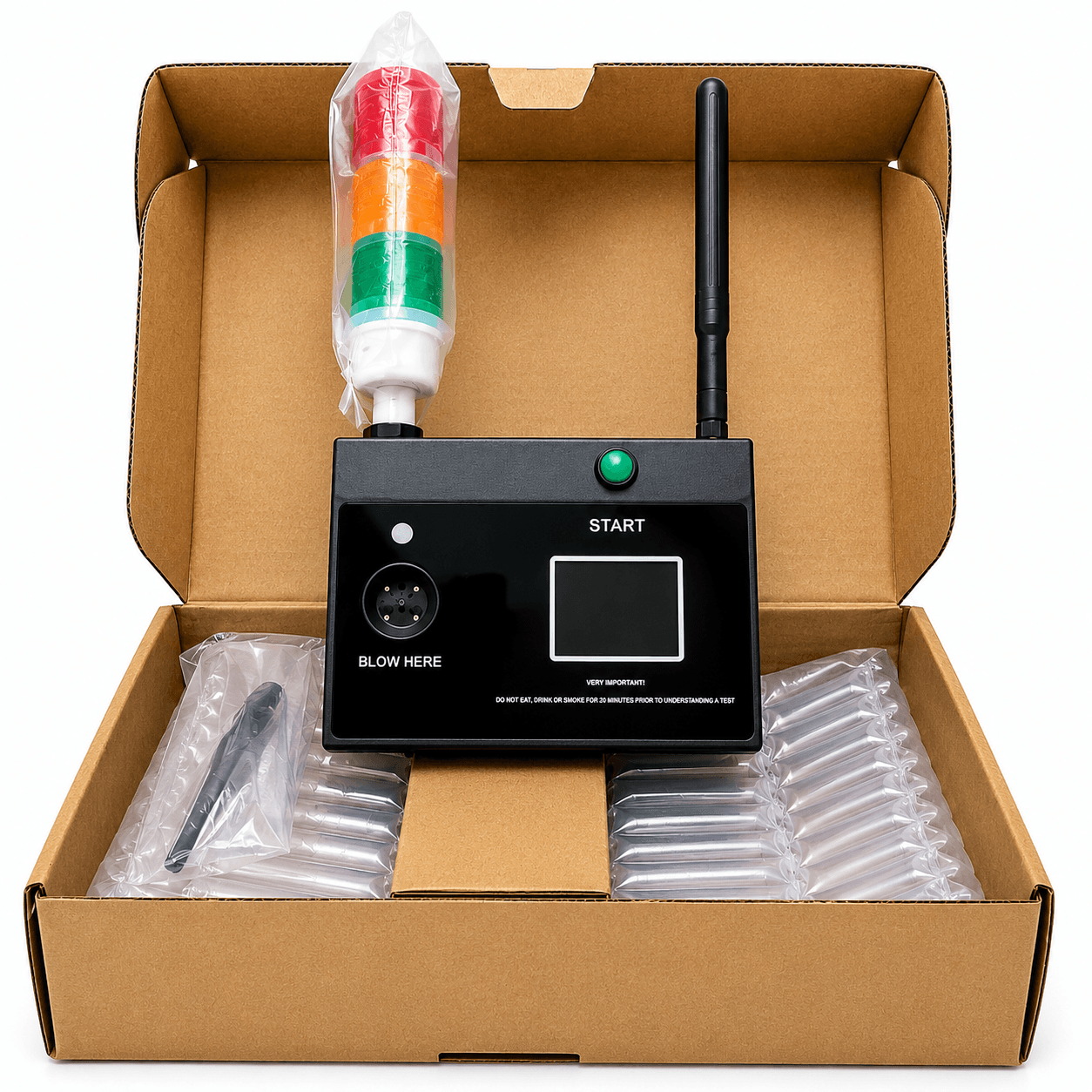
For these sites, a handheld device passed from hand to hand is rarely the best primary tool. A gate with dozens of contract workers arriving together needs a fixed point where each person blows into the unit and moves on. A wall-mounted alcohol screening system placed at the entry turnstile or the attendance point does this well, and it keeps the test in the same place every day, so nobody can claim they were missed.
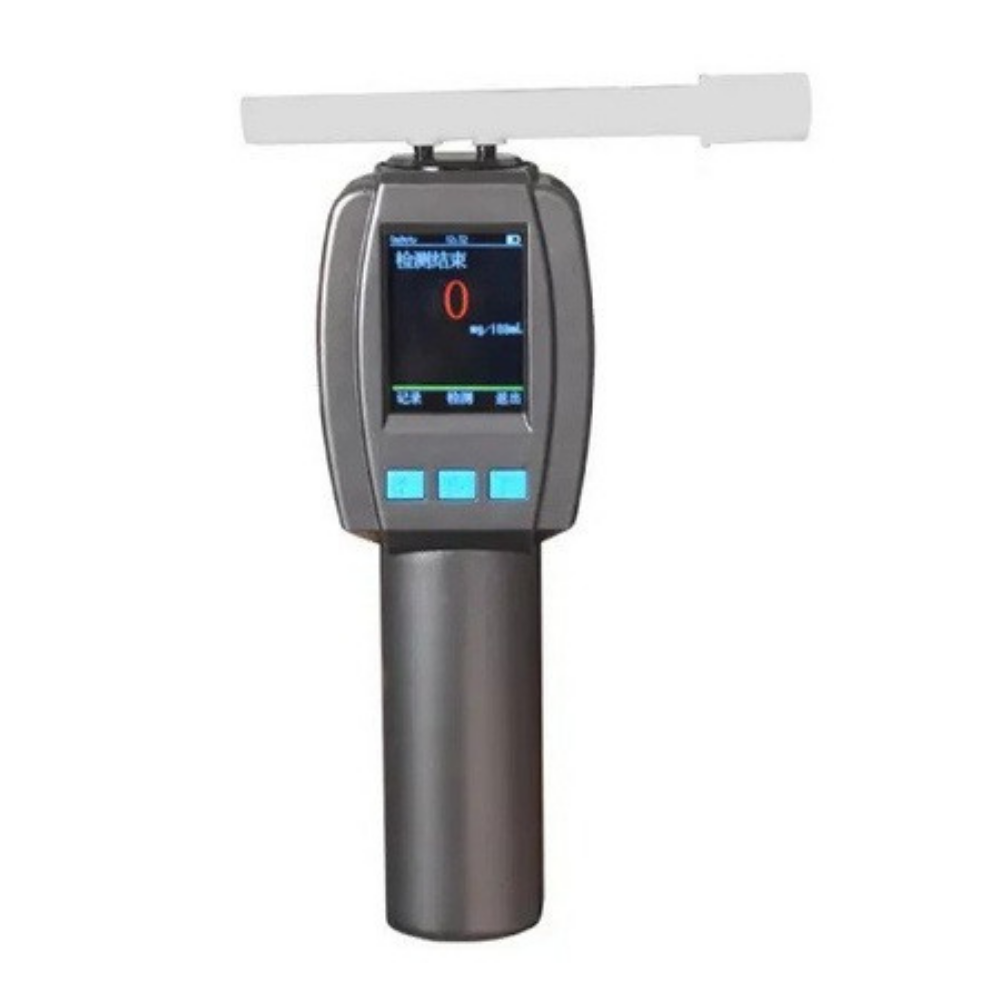
Keep a portable fuel cell analyser in the control room as well. Use it for a retest when the fixed unit shows a positive reading, for testing at remote sections of a mine, and for days when the main unit goes for service.
Highway fleets and logistics yards
Many goods vehicles that move across central India pass through or stop near Nagpur. Transport companies, cold-chain operators, tanker fleets and parcel networks all run depots here. The Samruddhi Expressway towards Mumbai has added more long, fast stretches of road where a tired or drunk driver is a serious danger.
What fleets usually need:
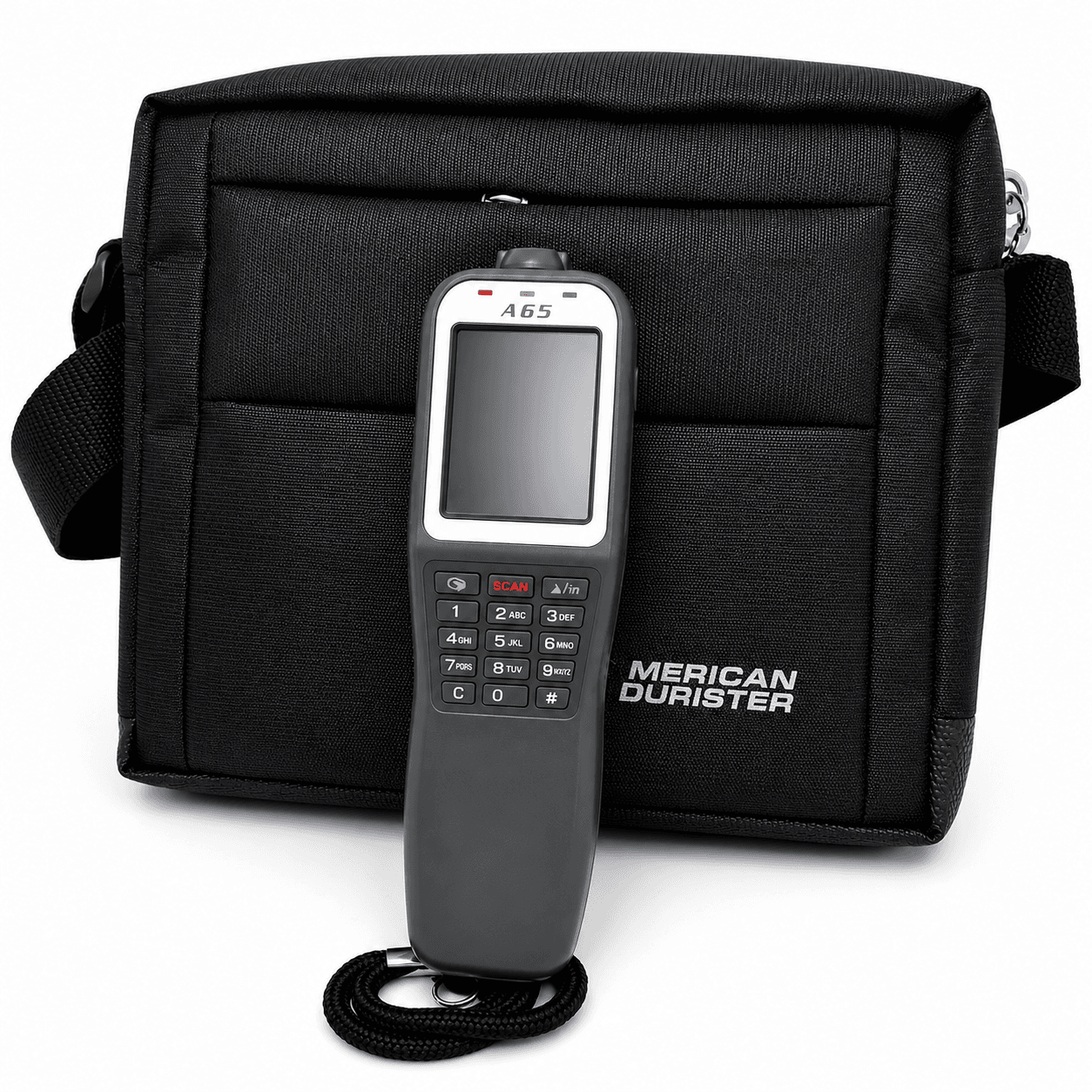
- A portable fuel cell analyser with a printer at the dispatch desk. The slip, with date, time and result, goes with the trip papers.
- A clear routine for drivers who report at night. Testing tends to slip at 2 a.m., which is often exactly when it matters most.
- A retest rule. If a driver fails, wait 15 to 20 minutes and test again before you make a final decision. This rules out a false reading from mouthwash, a cough syrup or food that was just eaten.
- A plan for what happens next: a relief driver, a held vehicle, a written note on the file.
Buses for schools, colleges and staff
Nagpur has a large number of schools, engineering and medical colleges, and companies that run staff buses. A transport in-charge testing ten or twenty drivers each morning does not need a high-volume station. A good handheld fuel cell device, a register, and the habit of testing every driver before the first pickup are enough. Keep the register where the principal or the HR head can check it. Parents and employees trust a written record far more than a verbal assurance.
Hospitals
Hospitals in Nagpur draw people from a large surrounding region, which means a busy fleet of ambulances and staff vehicles. Breath testing those drivers at the start of duty is the main use. Emergency departments also use a breath analyser as a quick first check before deciding whether a blood test is needed. Hygiene matters here, so choose a model with disposable mouthpieces, or a non-contact model for quick screening.
Hotels, banquet halls and bars
Weddings and events in the city often run late, and many guests drive themselves home. Some venues now keep a tester at the exit or the parking desk so that a guest can check before taking the wheel. A non-contact or self-test unit works well for this. Train staff to treat the number as guidance only. The useful message is simple: if you have been drinking, let us call you a cab.
Police and enforcement
Traffic police and other agencies usually buy through formal tenders that state the required sensor, memory, printer and certification. In that case, the tender specification should decide the model, and the supplier must show that the offered device matches each point.
Individuals and families
If you just want to check yourself after a function, a compact personal tester is enough. A semiconductor model costs less. A fuel cell model costs more but gives steadier readings over time. Whatever the screen shows, the safest rule stays the same: if you have had a drink, do not drive.
Fuel cell or semiconductor?
A fuel cell sensor reacts mainly to ethanol, the alcohol in drinks, and stays accurate over many tests in a row. A semiconductor sensor is cheaper, but it can respond to other substances on the breath and drifts faster as it ages. For any reading that leads to someone being stopped from work or from driving, choose fuel cell. For a personal check, semiconductor is acceptable. Our article on fuel cell vs semiconductor breathalyzers explains the difference in more detail.
Heat, dust and storage
Nagpur summers are harsh. A device left on the dashboard of a truck parked in the sun, or stored next to a hot window in a site cabin, will age faster and may give unreliable readings. Mines and plants add fine dust. A few simple habits help:
- Store the device in its case, in a shaded and ventilated place.
- Keep it away from hand sanitiser, paint and solvents. Their vapours can affect the sensor and the reading.
- Let a device that has been in a hot vehicle cool to room temperature before you use it.
- Keep spare batteries and a stock of mouthpieces at every testing point.
Calibration: put a date on it
Every sensor drifts with time and use. The device still switches on and still shows a number, but after a while nobody can say whether that number is right. That becomes a real problem the first time a worker or driver disputes a result.
When you buy, agree on the following:
- How often the model needs calibration, based on how many tests you expect to run.
- Who will calibrate it and how long it will be away.
- Whether you will get a dated calibration record showing the device serial number.
- What you will test with while it is away. For busy gates, a second unit is the simplest answer.
A mine gate testing hundreds of people every day will need calibration sooner than a school testing a dozen drivers. Let usage decide the schedule, not only the calendar.
Our Nagpur office
AlcoBreath has a Central India office in Nagpur, so buyers in the city can speak to someone nearby about choosing a model, calibration and mouthpiece supply. The office is at Shop No. 12, Jeevandhara No. 1, Behind Naresh Dairy, Behind Annapurna Restaurant, Lakadganj, Nagpur, Maharashtra 440008. You can call or WhatsApp on +91 92660 21899.
The Nagpur office also handles enquiries from Madhya Pradesh and Chhattisgarh. For companies with sites in other parts of the country, we supply across India, so one model and one testing routine can be used at every location.
Before you place the order
Run through this list with whoever will actually do the testing:
- How many people will be tested each day, and at what times, including night shifts?
- Will a reading lead to a decision about work or driving? If yes, choose fuel cell.
- Do you need printed slips or stored results for audits or clients?
- Handheld, wall-mounted or non-contact: which suits the place where testing happens?
- Where will the device be kept, and is that place protected from heat and dust?
- What is your written threshold, and what is the retest rule?
- Who owns the calibration date and the mouthpiece stock?
When these answers are clear, the right tester for your site in Nagpur usually becomes obvious. Choose it for the job it has to do, keep it calibrated, and use it every day.
 30,000